According to SPER Market Research, the Global Stroke Therapeutics Market is estimated to reach USD 37.38 billion by 2034 with a CAGR 8.45%.
Introduction and Overview
The report includes an in-depth analysis of the Global Stroke Therapeutics Market, including market size and trends, product mix, Applications, and supplier analysis.
The global Stroke Therapeutics Market was valued at USD 16.6 billion in 2024 and is expected to witness steady growth at a CAGR of around 8.45% from 2025 to 2034, driven by the rising prevalence of ischemic and hemorrhagic strokes worldwide. Market expansion is supported by increasing aging populations, growing incidence of lifestyle-related disorders such as hypertension and diabetes, and advancements in drug development including thrombolytic and antiplatelet therapies. Improved awareness, early diagnosis, and enhanced hospital infrastructure are further strengthening treatment adoption. Rising investments in research and development, along with supportive government initiatives across the U.S., Europe, and Asia Pacific, are enabling innovation and improving patient outcomes in stroke management.
By Stroke type:
Based on stroke type, the global stroke therapeutics market is segmented into ischemic stroke, hemorrhagic stroke, and other stroke types. The ischemic stroke segment lead the market. This strong market position is driven by the high prevalence of ischemic strokes, which account for nearly XX% of total cases globally. Ischemic stroke occurs due to blocked blood flow to the brain, often caused by blood clots. Rising incidence of hypertension, diabetes, and high cholesterol, along with advancements in thrombolytic and antiplatelet therapies and increased pharmaceutical R&D investments, continues to support sustained market growth.
By Drug Class:
Based on drug class, the global stroke therapeutics market is segmented into tissue plasminogen activators (TPA), antiplatelet agents, anticoagulants, and other drug classes. Among these, the TPA segment is projected to register a highest growth by 2034, reflecting its strong market standing. This is primarily due to the high effectiveness of TPA in treating ischemic stroke, which represents the majority of stroke cases. TPA works by dissolving blood clots and restoring cerebral blood flow, significantly improving patient outcomes. Advancements in hospital treatment protocols, expanding healthcare infrastructure, and continuous improvements in TPA formulations through ongoing research are further supporting segment growth. Clinical evidence, including recent trial outcomes, continues to reinforce its widespread adoption.
By Age Group:
Based on age group, the global stroke therapeutics market is segmented into below 40, 41–59, and above 60, with the above 60 category accounting for the largest share. This strong contribution is driven by the rapidly aging population, which faces a higher risk of chronic conditions such as hypertension, diabetes, and atrial fibrillation. Studies indicate that nearly XX% of stroke cases occur in individuals aged 65 and above. Age-related factors, including weakened blood vessels and declining neurovascular function, increase stroke susceptibility. Additionally, improved healthcare infrastructure and government initiatives focused on elderly care are further supporting sustained demand for stroke therapeutics in this age group.
By End Use:
Based on end use, the stroke therapeutics market is categorized into hospitals and clinics, ambulatory surgical centers (ASCs), rehabilitation centers, and research and academic institutions. Hospitals and clinics dominated the market. This is supported by the rising number of stroke cases requiring immediate and specialized treatment. Hospitals are equipped with multidisciplinary stroke units and skilled professionals that enable rapid diagnosis and effective intervention. Strategic collaborations between hospitals and pharmaceutical and technology companies, such as the Zydus–Medtronic AI stroke care network in India, further enhance treatment efficiency and strengthen the role of hospitals as primary stroke care providers.
Regional Insights:
In 2024, the U.S. accounted for USD XX billion in the North American stroke therapeutics market, supported by advanced healthcare infrastructure, strong R&D investments, and the presence of major pharmaceutical companies. Innovations in AI-based stroke diagnostics and emerging therapies continue to enhance treatment efficiency, alongside supportive government initiatives and growing awareness. In Europe, Germany shows strong growth potential due to its aging population and high stroke prevalence. China is expected to expand rapidly in Asia Pacific, driven by a large elderly population and improving healthcare access. Brazil leads Latin America with rising adoption of advanced therapies, while Saudi Arabia demonstrates steady growth in the Middle East and Africa through increased investment and proactive stroke care.
Market Competitive Landscape:
The Stroke Therapeutics Market is highly consolidated. Some of the market key players are AstraZeneca, Bayer, Boehringer Ingelheim, Bristol-Myers Squibb (BMS), Cadrenal Therapeutics, Daiichi Sankyo, Eisai, Genentech, Johnson & Johnson Services, Lupin, Merck, Novartis, Pfizer, Prestige Consumer Healthcare, Sanofi.
Recent Developments:
- In March 2025, Roche's Genentech entered the FDA blessing for its TNKase, a clot- dissolving agent for the treatment of acute ischemic stroke. The medicine was designed with the intent of having briskly administration time than Activase, which is Roche’s standard treatment for strokes. This blessing stressed the advancement in medicine development to address the requirements of strokes cases and ameliorate treatment issues.
- In January 2024, Lupin entered conditional blessing from the U.S.FDA for the ANDA operation pertaining to Rivaroxaban Tablets. These tablets serve as a general interpretation to Janssen Pharmaceuticals Xarelto Tablets, an anticoagulant used for several cardiovascular conditions. The approved tablets are indicated for the ensuing conditions similar as stroke and systemic embolism due to nonvalvular atrial fibrillation, DVT and PE, etc. The blessing allowed Lupin to venture into the economic anticoagulant request, with offering expansive range of medicines feeding to cases need.
- In January 2024, JiXing Pharmaceuticals acquired Biogen’s investigational medicine BIIB 131, aimed to treat acute ischemic stroke. BIIB 131 focuses on restoring blood inflow post-acute stroke enhancing the bettered case outgrowth. This strategic accession aimed to represent an implicit advance for the critical condition of acute ischemic stroke perfecting the clinical issues and execute a globalization strategy for the company.
Scope of the report:
| Report Metric | Details |
|---|
| Market size available for years | 2021-2034 |
| Base year considered | 2024 |
| Forecast period | 2025-2034 |
| Segments covered | By Stroke Type, By Drug Class, By Age Group, By End Use |
| Regions covered | North America, Latin America, Asia-Pacific,Europe, and Middle East And Africa |
| Companies Covered | AstraZeneca, Bayer, Boehringer Ingelheim, Bristol-Myers Squibb (BMS), Cadrenal Therapeutics, Daiichi Sankyo, Eisai, Genentech, Johnson & Johnson Services, Lupin, Merck, Novartis, Pfizer, Prestige Consumer Healthcare, Sanofi |
Key Topics Covered in the Report
- Global Stroke Therapeutics Market Size (FY’2021-FY’2034)
- Overview of Global Stroke Therapeutics Market
- Segmentation of Global Stroke Therapeutics Market by Stroke Type (Ischemic stroke, Hemorrhagic stroke, Other stroke types)
- Segmentation of Global Stroke Therapeutics Market by Drug Class (Tissue plasminogen activators (TPA), Antiplatelet agents, Anticoagulants, Other drug classes)
- Segmentation of Global Stroke Therapeutics Market by Age Group (Below 40, 41-59, above 60)
- Segmentation of Global Stroke Therapeutics Market by End Use (Hospitals and clinics, Ambulatory surgical centers (ASCs), Rehabilitation centers, Research and academic institutions)
- Statistical Snap of Global Stroke Therapeutics Market
- Expansion Analysis of Global Stroke Therapeutics Market
- Problems and Obstacles in Global Stroke Therapeutics Market
- Competitive Landscape in the Global Stroke Therapeutics Market
- Details on Current Investment in Global Stroke Therapeutics Market
- Competitive Analysis of Global Stroke Therapeutics Market
- Prominent Players in the Global Stroke Therapeutics Market
- SWOT Analysis of Global Stroke Therapeutics Market
- Global Stroke Therapeutics Market Future Outlook and Projections (FY’2025-FY’2034)
- Recommendations from Analyst
1. Introduction
1.1. Scope of the report
1.2. Market segment analysis
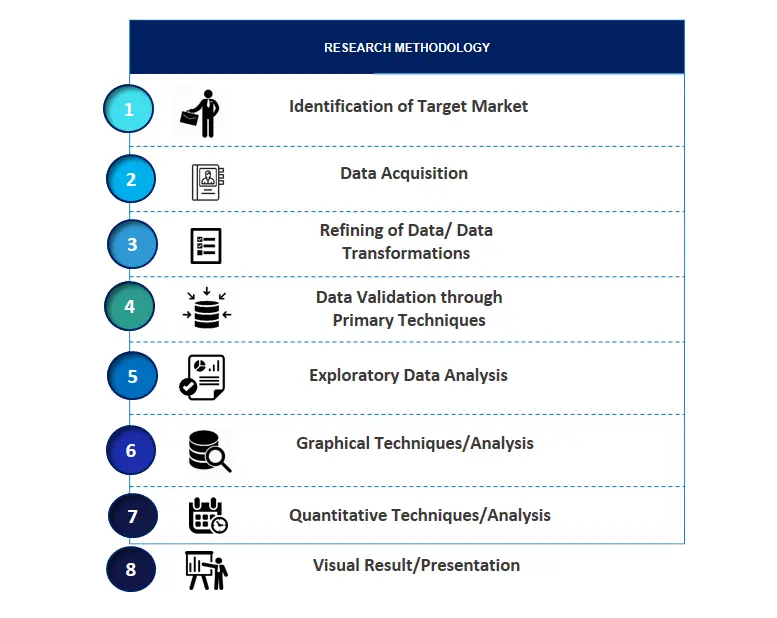
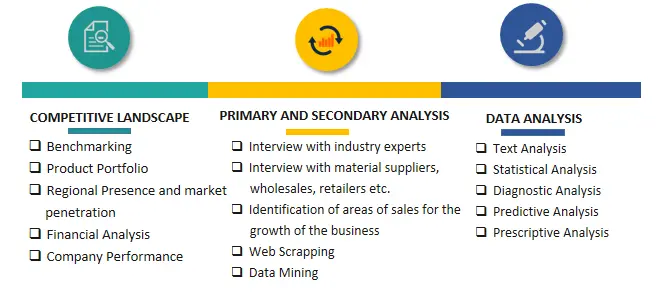
2. Research Methodology
2.1. Research data source
2.1.1. Secondary Data
2.1.2. Primary Data
2.1.3. SPER’s internal database
2.1.4. Premium insight from KOL’s
2.2. Market size estimation
2.2.1. Top-down and Bottom-up approach
2.3. Data triangulation
3. Executive Summary
4. Market Dynamics
4.1. Driver, Restraint, Opportunity and Challenges analysis
4.1.1. Drivers
4.1.2. Restraints
4.1.3. Opportunities
4.1.4. Challenges
5. Market variable and outlook
5.1. SWOT Analysis
5.1.1. Strengths
5.1.2. Weaknesses
5.1.3. Opportunities
5.1.4. Threats
5.2. PESTEL Analysis
5.2.1. Political Landscape
5.2.2. Economic Landscape
5.2.3. Social Landscape
5.2.4. Technological Landscape
5.2.5. Environmental Landscape
5.2.6. Legal Landscape
5.3. PORTER’s Five Forces
5.3.1. Bargaining power of suppliers
5.3.2. Bargaining power of buyers
5.3.3. Threat of Substitute
5.3.4. Threat of new entrant
5.3.5. Competitive rivalry
5.4. Heat Map Analysis
6. Competitive Landscape
6.1. Global Stroke Therapeutics Market Manufacturing Base Distribution, Sales Area, Product Type
6.2. Mergers & Acquisitions, Partnerships, Product Launch, and Collaboration in Global Stroke Therapeutics Market
7. Global Stroke Therapeutics Market, By Stroke Type, (USD Million) 2021-2034
7.1. Ischemic stroke
7.2. Hemorrhagic stroke
7.3. Other stroke types
8. Global Stroke Therapeutics Market, By Drug Class, (USD Million) 2021-2034
8.1. Tissue plasminogen activators (TPA)
8.2. Antiplatelet agents
8.3. Anticoagulants
8.4. Other drug classes
9. Global Stroke Therapeutics Market, By Age Group, (USD Million) 2021-2034
9.1. Below 40
9.2. 41-59
9.3. above 60
10. Global Stroke Therapeutics Market, By End Use, (USD Million) 2021-2034
10.1. Hospitals and clinics
10.2. Ambulatory surgical centers (ASCs)
10.3. Rehabilitation centers
10.4. Research and academic institutions
11. Global Stroke Therapeutics Market, (USD Million) 2021-2034
11.1. Global Stroke Therapeutics Market Size and Market Share
12. Global Stroke Therapeutics Market, By Region, 2021-2034 (USD Million)
12.1. Asia-Pacific
12.1.1. Australia
12.1.2. China
12.1.3. India
12.1.4. Japan
12.1.5. South Korea
12.1.6. Rest of Asia-Pacific
12.2. Europe
12.2.1. France
12.2.2. Germany
12.2.3. Italy
12.2.4. Spain
12.2.5. United Kingdom
12.2.6. Rest of Europe
12.3. Middle East and Africa
12.3.1. Kingdom of Saudi Arabia
12.3.2. United Arab Emirates
12.3.3. Qatar
12.3.4. South Africa
12.3.5. Egypt
12.3.6. Morocco
12.3.7. Nigeria
12.3.8. Rest of Middle-East and Africa
12.4. North America
12.4.1. Canada
12.4.2. Mexico
12.4.3. United States
12.5. Latin America
12.5.1. Argentina
12.5.2. Brazil
12.5.3. Rest of Latin America
13. Company Profile
13.1. AstraZeneca
13.1.1. Company details
13.1.2. Financial outlook
13.1.3. Product summary
13.1.4. Recent developments
13.2. Bayer
13.2.1. Company details
13.2.2. Financial outlook
13.2.3. Product summary
13.2.4. Recent developments
13.3. Boehringer Ingelheim
13.3.1. Company details
13.3.2. Financial outlook
13.3.3. Product summary
13.3.4. Recent developments
13.4. Bristol-Myers Squibb (BMS)
13.4.1. Company details
13.4.2. Financial outlook
13.4.3. Product summary
13.4.4. Recent developments
13.5. Cadrenal Therapeutics
13.5.1. Company details
13.5.2. Financial outlook
13.5.3. Product summary
13.5.4. Recent developments
13.6. Daiichi Sankyo
13.6.1. Company details
13.6.2. Financial outlook
13.6.3. Product summary
13.6.4. Recent developments
13.7. Eisai
13.7.1. Company details
13.7.2. Financial outlook
13.7.3. Product summary
13.7.4. Recent developments
13.8. Genentech
13.8.1. Company details
13.8.2. Financial outlook
13.8.3. Product summary
13.8.4. Recent developments
13.9. Johnson & Johnson Services
13.9.1. Company details
13.9.2. Financial outlook
13.9.3. Product summary
13.9.4. Recent developments
13.10. Lupin
13.10.1. Company details
13.10.2. Financial outlook
13.10.3. Product summary
13.10.4. Recent developments
13.11. Merck
13.11.1. Company details
13.11.2. Financial outlook
13.11.3. Product summary
13.11.4. Recent developments
13.12. Novartis
13.12.1. Company details
13.12.2. Financial outlook
13.12.3. Product summary
13.12.4. Recent developments
13.13. Pfizer
13.13.1. Company details
13.13.2. Financial outlook
13.13.3. Product summary
13.13.4. Recent developments
13.14. Prestige Consumer Healthcare
13.14.1. Company details
13.14.2. Financial outlook
13.14.3. Product summary
13.14.4. Recent developments
13.15. Sanofi
13.15.1. Company details
13.15.2. Financial outlook
13.15.3. Product summary
13.15.4. Recent developments
13.16. Others
14. Conclusion
15. List of Abbreviations
16. Reference Links