Advanced Cardiac Ablation Trends

Global Cardiac Ablation Market Size - By Product, By Approach, By Application, By End Use - Regional Outlook, Competitive Strategies and Segment Forecast to 2035

Published: May-2026 Report ID: HLCA2623 Pages: 1 - 250 Formats*:     
Category : Healthcare
According to SPER Market Research, the Global Cardiac Ablation Market is estimated to reach USD 19.81 billion by 2035 with a CAGR 13.07%.

Introduction and Overview
The report includes an in-depth analysis of the Global Cardiac Ablation Market, including market size and trends, product mix, Applications, and supplier analysis.

The global Cardiac Ablation Market reached USD 5.8 billion in 2025 and achieving a CAGR of 13.07%. The cardiac ablation market is experiencing steady growth due to the rising prevalence of cardiovascular diseases, particularly cardiac arrhythmias, along with increasing demand for minimally invasive treatment options and ongoing technological advancements. Aging populations, unhealthy lifestyles, diabetes, and hypertension are contributing to higher arrhythmia cases, driving the need for advanced therapies beyond medication. Cardiac ablation provides effective long-term rhythm management, lowers hospitalization rates, and improves patient outcomes. Additionally, minimally invasive procedures such as catheter-based radiofrequency and cryoablation are gaining preference because they reduce surgical trauma, shorten recovery periods, minimize complications, and enhance patient comfort, further supporting global market expansion.

By Product:
Radiofrequency (RF) ablators dominated the market due to their proven effectiveness in treating arrhythmias. These devices use controlled heat energy to create small lesions in targeted heart tissue, helping restore normal heart rhythm. RF ablation is widely considered the gold standard because of its high clinical success, precision, and long history of use. Physicians prefer this technology for its reliability and compatibility with advanced mapping systems. Ongoing innovations, including contact force-sensing catheters and integration with 3D mapping platforms, continue to improve procedural safety, efficiency, and patient outcomes worldwide.

By Approach: 
Catheter-based cardiac ablation is a minimally invasive procedure in which thin catheters are guided through blood vessels to the heart to destroy abnormal tissue causing arrhythmias. This technique avoids open-heart surgery, reducing patient trauma, recovery time, and hospital stays. The increasing prevalence of atrial fibrillation and other rhythm disorders, along with growing demand for minimally invasive treatments, has strengthened adoption globally. Catheter-based ablation is widely preferred due to its safety, precision, lower procedural risks, and improved patient comfort. Technological advancements, including real-time 3D mapping and contact force sensing, continue to enhance procedural accuracy and clinical outcomes.

By Application: 
The atrial fibrillation and flutter segment holds a dominant share in the cardiac ablation market due to the high global prevalence of atrial fibrillation. Meanwhile, the tachycardia segment is expected to witness rapid growth driven by increasing cardiovascular disorders and lifestyle-related risk factors such as obesity, hypertension, and diabetes. Tachycardia, characterized by an abnormally fast heart rate, can lead to severe complications if untreated. Growing awareness, improved diagnostic capabilities, and the rising adoption of minimally invasive catheter-based ablation procedures are further accelerating segment growth worldwide.

By End Use: 
Hospitals hold a leading position in the cardiac ablation market as they serve as primary centers for complex arrhythmia treatments requiring advanced infrastructure, specialized equipment, and skilled electrophysiologists. These facilities provide comprehensive care, including diagnosis, treatment, and post-procedure monitoring, making them the preferred choice for patients. Growing cardiovascular disease prevalence and increasing demand for minimally invasive procedures have boosted hospital-based cardiac ablation treatments. Hospitals also benefit from access to advanced technologies such as 3D mapping systems and robotic-assisted navigation. Strong reimbursement support, healthcare investments, and collaborations with device manufacturers further strengthen their market dominance.

Regional Insights:
North America holds a major share of the cardiac ablation market, supported by advanced healthcare infrastructure, high adoption of innovative technologies, and increasing cardiovascular disease cases. In the United States, the growing burden of heart disease and rising mortality rates are driving demand for effective treatments such as cardiac ablation, which helps restore normal heart rhythm and reduce complications. Strong investments in healthcare innovation and high procedural volumes further strengthen market growth. Europe is also witnessing significant expansion due to the high prevalence of cardiovascular diseases and increasing demand for minimally invasive cardiac procedures. Hospitals and cardiac centers across the region are investing in advanced ablation systems to improve patient outcomes. Germany is emerging as a key market, driven by rising cardiovascular disease burden and growing adoption of advanced catheter-based technologies.

Market Competitive Landscape:
The Global Cardiac Ablation Market is highly consolidated. Some of the market key players are Abbott Laboratories, AngioDynamics, AtriCure, Biotronik, Boston Scientific, CardioFocus, Japan Lifeline, Johnson & Johnson MedTech, Koninklijke Philips, Medtronic, MicroPort Scientific, and Olympus.

Recent Developments:
  • In August 2022, Medtronic acquired Affera to strengthen its electrophysiology and cardiac ablation portfolio. The acquisition expanded Medtronic’s capabilities in mapping and navigation technologies, enhancing its position in arrhythmia treatment and supporting the development of advanced solutions for atrial fibrillation and other complex cardiac conditions.
  • In September 2024, Johnson & Johnson MedTech unified brands, including Ethicon, DePuy Synthes, Biosense Webster, Abiomed, and CERENOVUS, under a single identity to strengthen its medical technology presence, particularly in cardiovascular care and cardiac ablation, while maintaining continuity in existing products and services.

Scope of the report:

Report MetricDetails
Market size available for years2021-2034
Base year considered2024
Forecast period2025-2034
Segments coveredBy Product, By Approach, By Application, By End Use
Regions coveredNorth America, Latin America, Asia-Pacific,Europe, and Middle East & Africa
Companies CoveredAbbott Laboratories, AngioDynamics, AtriCure, Biotronik, Boston Scientific, CardioFocus, Japan Lifeline, Johnson & Johnson MedTech, Koninklijke Philips, Medtronic, MicroPort Scientific, and Olympus.

Key Topics Covered in the Report
  • Global Cardiac Ablation Market Size (FY’2022-FY’2035)
  • Overview of the Global Cardiac Ablation Market
  • Segmentation of Global Cardiac Ablation Market by Product (Radiofrequency ablators, Electrical ablators, Cryoablation devices, Ultrasound ablators, Other products)
  • Segmentation of the Global Cardiac Ablation Market by Approach (Catheter-based, Open/Surgical)
  • Segmentation of Global Cardiac Ablation Market by Application (Atrial fibrillation and flutter, Tachycardia, Others)
  • Segmentation of Global Cardiac Ablation Market by End Use (Hospitals, Ambulatory surgical centers, Cardiac centers, Other end use)
  • Statistical Snap of the Global Cardiac Ablation Market
  • Expansion Analysis of the Global Cardiac Ablation Market
  • Problems and Obstacles in the Global Cardiac Ablation Market 
  • Competitive Landscape in the Global Cardiac Ablation Market
  • Details on Current Investment in the Global Cardiac Ablation Market
  • Competitive Analysis of the Global Cardiac Ablation Market 
  • Prominent Players in the Global Cardiac Ablation Market
  • SWOT Analysis of the Global Cardiac Ablation Market
  • Global Cardiac Ablation Market Future Outlook and Projections (FY’2026-FY’2035)
  • Recommendations from Analyst

1. Introduction
1.1 Scope of the report
1.2  Market segment analysis

2. Research Methodology 
2.1 Research data source
2.1.1 Secondary Data
2.1.2 Primary Data
2.1.3 SPER’s internal Database
2.1.4 Primary insight from KOL’s
2.2 Market size estimation
2.2.1 Top-down and Bottom-up approach
2.3 Data triangulation

3. Executive Summary

4. Market Dynamics
4.1 Driver, Restraint, Opportunity and Challenges analysis
4.1.1 Drivers
4.1.2 Restraints
4.1.3 Opportunities
4.1.4 Challenges

5. Market variable and outlook
5.1 SWOT Analysis
5.1.1 Strengths
5.1.2 Weaknesses
5.1.3 Opportunities
5.1.4 Threats
5.2 PESTEL Analysis
5.2.1 Political Landscape
5.2.2 Economic Landscape
5.2.3 Social Landscape
5.2.4 Technological Landscape
5.2.5 Environmental Landscape
5.2.6 Legal Landscape
5.3 PORTER’s Five Forces
5.4 Heat Map Analysis

6. Competitive Landscape
6.1. Global Cardiac Ablation Market Manufacturing Base Distribution, Sales Area, Product Type
6.2 Mergers & Acquisitions, Partnerships, Product Launch, and Collaboration in Global Cardiac Ablation Market

7. Global Cardiac Ablation Market, By Product, (USD Million) 2022-2035
7.1 Radiofrequency ablators
7.2 Electrical ablators
7.3 Cryoablation devices
7.4 Ultrasound ablators
7.5 Other products

8. Global Cardiac Ablation Market, By Approach, (USD Million) 2022-2035
8.1 Catheter-based
8.2 Open/Surgical

9. Global Cardiac Ablation Market, By Application, (USD Million) 2022-2035
9.1 Atrial fibrillation and flutter
9.2 Tachycardia
9.2.1 Atrial tachycardia
9.2.2 Ventricular tachyarrhythmias
9.2.3 Other tachycardia
9.3 Other applications

10. Global Cardiac Ablation Market, By End Use, (USD Million) 2022-2035
10.1 Hospitals
10.2 Ambulatory surgical centers
10.3 Cardiac centers
10.4 Other end use

11. Global Cardiac Ablation Market, (USD Million) 2022-2035
11.1 Global Cardiac Ablation Market Size and Market Share

12.  Global Cardiac Ablation Market, By Region, 2022-2035 (USD Million)
12.1 Asia-Pacific
12.1.1 Australia
12.1.2 China
12.1.3 India
12.1.4 Japan
12.1.5 South Korea
12.1.6 Rest of Asia-Pacific
12.2 Europe
12.2.1 France
12.2.2 Germany 
12.2.3 Italy
12.2.4 Spain
12.2.5 United Kingdom
12.2.6 Rest of Europe
12.3 Middle East and Africa
12.3.1 Kingdom of Saudi Arabia
12.3.2 United Arab Emirates
12.3.3 Qatar
12.3.4 South Africa
12.3.5 Egypt
12.3.6 Morocco
12.3.7 Nigeria
12.3.8 Rest of Middle-East and Africa
12.4 North America
12.4.1 Canada 
12.4.2 Mexico
12.4.3 United States
12.5 Latin America
12.5.1 Argentina
12.5.2 Brazil
12.5.3 Rest of America

13. Company Profile  
13.1 Abbott Laboratories
13.1.1 Company details
13.1.2 Financial outlook
13.1.3 Product summary
13.1.4 Recent developments
13.2 AngioDynamics
13.2.1 Company details
13.2.2 Financial outlook
13.2.3 Product summary
13.2.4 Recent developments
13.3 AtriCure
13.3.1 Company details
13.3.2 Financial outlook
13.3.3 Product summary
13.3.4 Recent developments
13.4 Biotronik
13.4.1 Company details
13.4.2 Financial outlook
13.4.3 Product summary
13.4.4 Recent developments
13.5 Boston Scientific
13.5.1 Company details
13.5.2 Financial outlook
13.5.3 Product summary
13.5.4 Recent developments
13.6 CardioFocus
13.6.1 Company details
13.6.2 Financial outlook
13.6.3 Product summary
13.6.4 Recent developments
13.7 Japan Lifeline
13.7.1 Company details
13.7.2 Financial outlook
13.7.3 Product summary
13.7.4 Recent developments
13.8 Johnson & Johnson MedTech
13.8.1 Company details
13.8.2 Financial outlook
13.8.3 Product summary
13.8.4 Recent developments
13.9 Koninklijke Philips
13.9.1 Company details
13.9.2 Financial outlook
13.9.3 Product summary
13.9.4 Recent developments
13.10 Medtronic
13.10.1  Company details
13.10.2  Financial outlook
13.10.3  Product summary
13.10.4  Recent developments
13.11 MicroPort Scientific
13.11.1  Company details
13.11.2  Financial outlook
13.11.3  Product summary
13.11.4  Recent developments
13.12 Olympus
13.12.1  Company details
13.12.2  Financial outlook
13.12.3  Product summary
13.12.4  Recent developments
13.13 Others

14. Conclusion

15. List Of Abbreviations

16. Reference Links


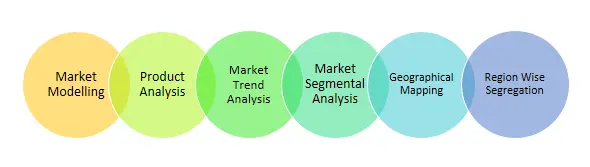
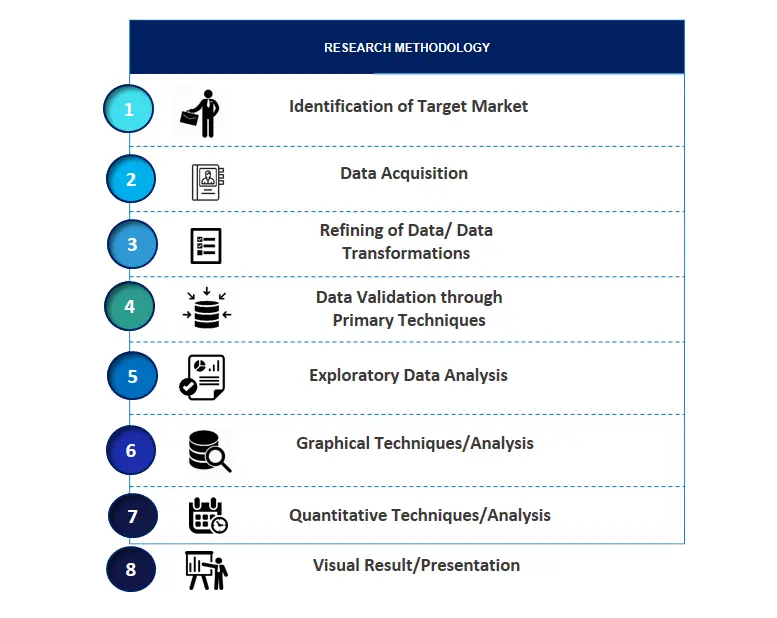
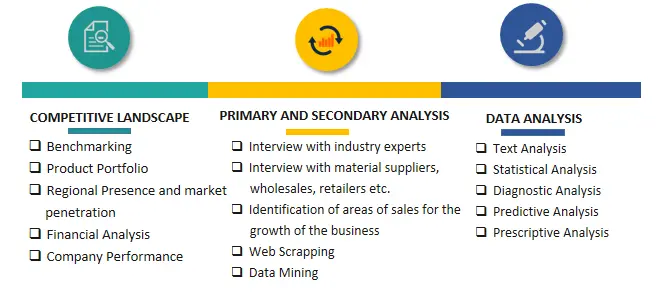
SPER Market Research’s methodology uses great emphasis on primary research to ensure that the market intelligence insights are up to date, reliable and accurate. Primary interviews are done with players involved in each phase of a supply chain to analyze the market forecasting. The secondary research method is used to help you fully understand how the future markets and the spending patterns look likes.

The report is based on in-depth qualitative and quantitative analysis of the Product Market. The quantitative analysis involves the application of various projection and sampling techniques. The qualitative analysis involves primary interviews, surveys, and vendor briefings.  The data gathered as a result of these processes are validated through experts opinion. Our research methodology entails an ideal mixture of primary and secondary initiatives.
SPER-Methodology-1

SPER-Methodology-2

SPER-Methodology-3


Frequently Asked Questions About This Report
PLACE AN ORDER
  • 15 % off
     
    $ 3250
  • 20 % off
             
    $ 4250
  • 25 % off
         
    $ 6250
Pre-Purchase Inquiry
SEND AN INQUIRY
NEED CUSTOMIZATION?
Request Customization
CALL OR EMAIL US
US:
India:
Email:
100% Secure Payment

SPER American Express
SPER VISA
SPER Master Card
SPER Mestro
SPER Paypal
SPER CCAvenues

Have a glance of the Report

  Download Free Sample

Looking for Customization?

 Customization Request

Have a Question?

 Reach Our Analysis Team

COVID-19 impact analysis?

 Request Analysis
Thought Leadership

Trusted by Industry Leaders

Our data-driven insights have influenced the strategy of 200+ reputed companies across the globe.

SPER-Astellas Pharma
SPER-Microsoft
SPER-EY
SPER-McKinsey
SPER-Bain
SPER-Max-Healthcare
SPER-DHL
SPER-IQVIA
SPER-Mitsubishi Logistics
SPER-PACCOR
SPER-Macmillan Education
SPER-Kankar IMRB
SPER-ITA
SPER-PWC
SPER-SAPTCA
SPER-Straumann
SPER-Danaher
SPER-AandM
SPER-MENARINI Silicon Biosystems
SPER-IPSOS
SPER-Heineken
HIPPA Compliant
GDPR Certified
ISO 27001
Peer Reviewed
Get Started Today

Your Competitive Advantage in
Pharmaceutical & Medical Technology
Markets

Join industry leaders leveraging AI-powered intelligence to make confident, data-driven decisions that accelerate breakthrough treatments and technologies to market.

No Credit Card Required
15-Minute Demo
Expert Guidance