According to SPER Market Research, the Global Chronic Disease Management Market is estimated to reach USD 19.17 billion by 2034 with a CAGR 11.95%.
Introduction and Overview
The report includes an in-depth analysis of the Global Chronic Disease Management Market, including market size and trends, product mix, applications, and supplier analysis.
The global chronic disease management market was valued at around USD 6.2 billion in 2024 and is expected to grow at a CAGR of approximately 11.95% from 2025 to 2034. The market is witnessing steady growth due to the increasing prevalence of chronic conditions such as diabetes, cardiovascular diseases, respiratory disorders, and hypertension worldwide. Rising adoption of digital health solutions, including telehealth, remote patient monitoring, and integrated care platforms, is enabling continuous disease monitoring and personalized treatment. Advancements in cloud computing, data analytics, and connected medical devices are further supporting market expansion. Additionally, supportive government initiatives, favorable reimbursement policies, and the shift toward value-based care are strengthening the adoption of chronic disease management solutions globally.
By Disease Type:
The diabetes segment captures the largest revenue share in the chronic disease management market. This leading position is supported by the rapidly increasing global diabetic population and the continuous need for glucose monitoring, medication adherence, and lifestyle management solutions. Cardiovascular diseases (CVD) follow closely, driven by the rising incidence of hypertension, heart failure, and related conditions that require long-term monitoring and care coordination. Chronic obstructive pulmonary diseases (COPD) are gaining momentum due to increasing air pollution and smoking-related disorders. Cancer and neurological disorders contribute steadily through long-duration treatment plans and supportive care needs, while other disease types maintain consistent demand.
By Type:
Within solutions, cloud-based solutions generate the highest revenue contribution, supported by scalability, remote accessibility, and seamless integration with electronic health records. Web-based solutions also hold a strong presence due to ease of deployment, while on-premises solutions continue to be used by organizations prioritizing data control. In services, disease management programs and services account for the largest share, driven by comprehensive care planning and long-term patient engagement. Monitoring services are expanding rapidly with increased use of connected devices, while counselling and support services play an important role in improving treatment adherence and patient outcomes.
By End Use:
The providers segment represents the highest market contribution, supported by hospitals, clinics, and healthcare systems adopting digital platforms for chronic care coordination and patient monitoring. Their access to advanced infrastructure and clinical expertise strengthens this position. Payers are increasingly investing in chronic disease management programs to reduce long-term treatment costs and improve population health outcomes. Other end users, including employers and home care settings, are gradually expanding adoption as preventive care and remote management gain importance.
Regional Insights:
The chronic disease management market shows strong regional variation, with North America accounting for the highest revenue share due to advanced healthcare infrastructure, widespread adoption of digital health solutions, and supportive reimbursement policies, particularly in the U.S. and Canada. Europe follows, supported by public healthcare systems, aging populations, and growing use of integrated care platforms across Germany, the UK, France, Spain, Italy, and the Netherlands. Asia Pacific is witnessing rapid expansion driven by large patient populations, rising healthcare expenditure, and increasing telehealth adoption in China, India, Japan, Australia, and South Korea. Latin America and the Middle East & Africa are showing steady progress as governments invest in digital health care and chronic care initiatives.
Market Competitive Landscape:
The chronic disease management market is highly consolidated. Some of the market key players are Active Health Technologies, Amwell, Apollo TeleHealth, Epic Systems, HealthSnap, IBM, Koninklijke Philips N.V., Medicross, Medtronic, Oracle, ResMed, ScienceSoft USA, Teladoc, TimeDoc Health, Topcon Healthcare, Veradigm, and ZEISS.
Recent Developments:
- In April 2025, Lillia, an AI incipiency, developed a platform for managing diabetes and other habitual conditions using AI technology and mortal expert training. For their digital binary technology, they've secured a USD 1.7 million entitlement from the QRDI Council, which aims to transfigure habitual care through real-time prophetic interventions. This invention marks progress in the complete operation result, which enhances the virtual discussion experience.
- In January 2024, Amazon Health initiated "Health Condition Programs,” enabling guests to access digital health benefits aimed at managing habitual conditions such as pre-diabetes, diabetes, and hypertension. This was aimed particularly at availability as a form of technology-enabled healthcare with bettered operation result issues.
- In March 2023, Amwell bedded DarioHealth's digital remedial result into its new cardiometabolic program, which aims to watch for cases with habitual conditions similar to diabetes and hypertension. This cooperation sought to enhance Amwell’s capabilities while fueling invention in the request.
Scope of the report:
| Report Metric | Details |
|---|
| Market size available for years | 2021-2034 |
| Base year considered | 2024 |
| Forecast period | 2025-2034 |
| Segments covered | By Disease Type, By Type, By End Use |
| Regions covered | North America, Latin America, Asia-Pacific,Europe, and Middle East and Africa |
| Companies Covered | Active Health Technologies, Amwell, Apollo TeleHealth, Epic Systems, HealthSnap, IBM, Koninklijke Philips N.V., Medicross, Medtronic, Oracle, ResMed, ScienceSoft USA, Teladoc, TimeDoc Health, Topcon Healthcare, Veradigm, ZEISS |
Key Topics Covered in the Report
- Global Chronic Disease Management Market Size (FY’2021-FY’2034)
- Overview of Global Chronic Disease Management Market
- Segmentation of Global Chronic Disease Management Market by Disease Type (cardiovascular diseases (CVD), Diabetes, Chronic respiratory pulmonary diseases (COPD), Cancer, Neurological disorders, Other disease types)
- Segmentation of Global Chronic Disease Management Market by Type (Solutions, Services)
- of Global Chronic Disease Management Market by End Use (Providers, Payers, Other end use)
- Statistical Snap of Global Chronic Disease Management Market
- Expansion Analysis of Global Chronic Disease Management Market
- Problems and Obstacles in Global Chronic Disease Management Market
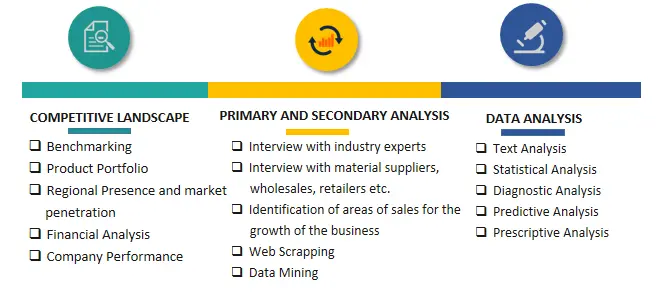
- Competitive Landscape in the Global Chronic Disease Management Market
- Details on Current Investment in Global Chronic Disease Management Market
- Competitive Analysis of Global Chronic Disease Management Market
- Prominent Players in the Global Chronic Disease Management Market
- SWOT Analysis of Global Chronic Disease Management Market
- Global Chronic Disease Management Market Future Outlook and Projections (FY'2025–FY'2034)
- Recommendations from Analyst
1. Introduction
1.1. Scope of the report
1.2. Market segment analysis
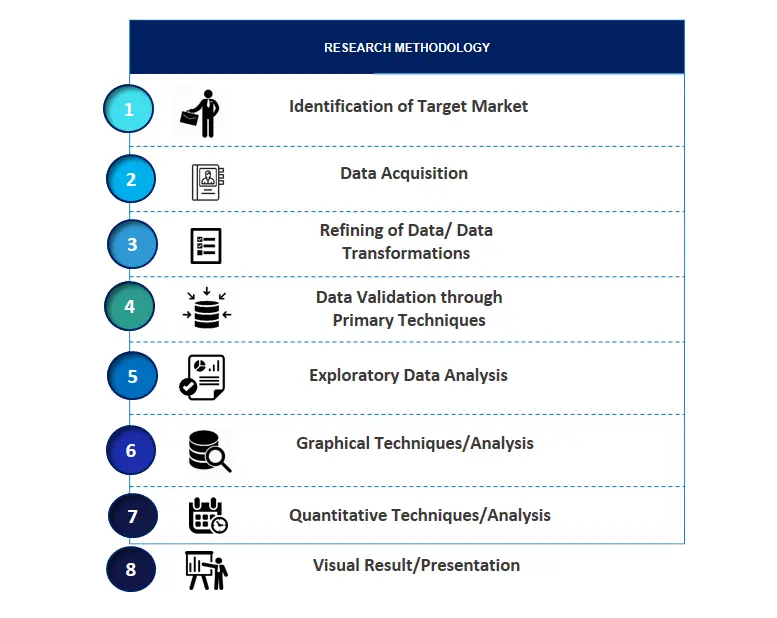
2. Research Methodology
2.1. Research data source
2.1.1. Secondary Data
2.1.2. Primary Data
2.1.3. SPER’s internal database
2.1.4. Premium insight from KOL’s
2.2. Market size estimation
2.2.1. Top-down and Bottom-up approach
2.3. Data triangulation
3. Executive Summary
4. Market Dynamics
4.1. Driver, Restraint, Opportunity and Challenges analysis
4.1.1. Drivers
4.1.2. Restraints
4.1.3. Opportunities
4.1.4. Challenges
5. Market variable and outlook
5.1. SWOT Analysis
5.1.1. Strengths
5.1.2. Weaknesses
5.1.3. Opportunities
5.1.4. Threats
5.2. PESTEL Analysis
5.2.1. Political Landscape
5.2.2. Economic Landscape
5.2.3. Social Landscape
5.2.4. Technological Landscape
5.2.5. Environmental Landscape
5.2.6. Legal Landscape
5.3. PORTER’s Five Forces
5.3.1. Bargaining power of suppliers
5.3.2. Bargaining power of buyers
5.3.3. Threat of Substitute
5.3.4. Threat of new entrant
5.3.5. Competitive rivalry
5.4. Heat Map Analysis
6. Competitive Landscape
6.1. Global Chronic Disease Management Market Manufacturing Base Distribution, Sales Area, Product Type
6.2. Mergers & Acquisitions, Partnerships, Product Launch, and Collaboration in Global Chronic Disease Management Market
7. Global Chronic Disease Management Market, By Disease Type, (USD Million) 2021-2034
7.1. Cardiovascular diseases (CVD)
7.2. Diabetes
7.3. Chronic respiratory pulmonary diseases (COPD)
7.4. Cancer
7.5. Neurological disorders
7.6. Other disease types
8. Global Chronic Disease Management Market, By Type, (USD Million) 2021-2034
8.1. Solutions
8.1.1. Web-based solutions
8.1.2. Cloud-based solutions
8.1.3. On-premises solutions
8.2. Services
8.2.1. Disease management program and services
8.2.2. Monitoring services
8.2.3. Counseling and support services
8.2.4. Other service types
9. Global Chronic Disease Management Market, By End Use, (USD Million) 2021-2034
9.1. Providers
9.2. Payers
9.3. Other end use
10. Global Chronic Disease Management Market, (USD Million) 2021-2034
10.1. Global Chronic Disease Management Market Size and Market Share
11. Global Chronic Disease Management Market, By Region, 2021-2034 (USD Million)
11.1. Asia-Pacific
11.1.1. Australia
11.1.2. China
11.1.3. India
11.1.4. Japan
11.1.5. South Korea
11.1.6. Rest of Asia-Pacific
11.2. Europe
11.2.1. France
11.2.2. Germany
11.2.3. Italy
11.2.4. Spain
11.2.5. United Kingdom
11.2.6. Rest of Europe
11.3. Middle East and Africa
11.3.1. Kingdom of Saudi Arabia
11.3.2. United Arab Emirates
11.3.3. Qatar
11.3.4. South Africa
11.3.5. Egypt
11.3.6. Morocco
11.3.7. Nigeria
11.3.8. Rest of Middle-East and Africa
11.4. North America
11.4.1. Canada
11.4.2. Mexico
11.4.3. United States
11.5. Latin America
11.5.1. Argentina
11.5.2. Brazil
11.5.3. Rest of Latin America
12. Company Profile
12.1. Active Health Technologies
12.1.1. Company details
12.1.2. Financial outlook
12.1.3. Product summary
12.1.4. Recent developments
12.2. Amwell
12.2.1. Company details
12.2.2. Financial outlook
12.2.3. Product summary
12.2.4. Recent developments
12.3. Apollo TeleHealth
12.3.1. Company details
12.3.2. Financial outlook
12.3.3. Product summary
12.3.4. Recent developments
12.4. Epic Systems
12.4.1. Company details
12.4.2. Financial outlook
12.4.3. Product summary
12.4.4. Recent developments
12.5. HealthSnap
12.5.1. Company details
12.5.2. Financial outlook
12.5.3. Product summary
12.5.4. Recent developments
12.6. IBM
12.6.1. Company details
12.6.2. Financial outlook
12.6.3. Product summary
12.6.4. Recent developments
12.7. Koninklijke Philips N.V.
12.7.1. Company details
12.7.2. Financial outlook
12.7.3. Product summary
12.7.4. Recent developments
12.8. Medicross
12.8.1. Company details
12.8.2. Financial outlook
12.8.3. Product summary
12.8.4. Recent developments
12.9. Medtronic
12.9.1. Company details
12.9.2. Financial outlook
12.9.3. Product summary
12.9.4. Recent developments
12.10. Oracle
12.10.1. Company details
12.10.2. Financial outlook
12.10.3. Product summary
12.10.4. Recent developments
12.11. ResMed
12.11.1. Company details
12.11.2. Financial outlook
12.11.3. Product summary
12.11.4. Recent developments
12.12. ScienceSoft USA
12.12.1. Company details
12.12.2. Financial outlook
12.12.3. Product summary
12.12.4. Recent developments
12.13. Teladoc
12.13.1. Company details
12.13.2. Financial outlook
12.13.3. Product summary
12.13.4. Recent developments
12.14. TimeDoc Health
12.14.1. Company details
12.14.2. Financial outlook
12.14.3. Product summary
12.14.4. Recent developments
12.15. Topcon Healthcare
12.15.1. Company details
12.15.2. Financial outlook
12.15.3. Product summary
12.15.4. Recent developments
12.16. Veradigm
12.16.1. Company details
12.16.2. Financial outlook
12.16.3. Product summary
12.16.4. Recent developments
12.17. ZEISS
12.17.1. Company details
12.17.2. Financial outlook
12.17.3. Product summary
12.17.4. Recent developments
12.18. Others
13. Conclusion
14. List of Abbreviations
15. Reference Links