According to SPER Market Research, the Global Medical Oxygen Concentrators Market is estimated to reach USD 3.43 billion by 2035 with a CAGR 6.65%.
Introduction and Overview
The report includes an in-depth analysis of the Global Medical Oxygen Concentrators Market, including market size and trends, product types, materials, applications, and supplier analysis.
The global Medical Oxygen Concentrators Market was valued at USD 1.8 billion in 2025 and is expected to grow at a CAGR of around 6.65% from 2026 to 2035, reaching approximately USD 3.43 billion by 2035. The medical oxygen concentrators market is growing rapidly due to more people having chronic respiratory diseases and a greater need for dependable oxygen therapy. The aging population, which is more likely to suffer from breathing issues, is a key factor in this growth. Oxygen concentrators are crucial for respiratory care since they provide easy and affordable oxygen delivery for long-term use. The rise in chronic obstructive pulmonary disease and awareness of respiratory health is increasing demand for these devices in hospitals and at home.
By Product:
The market is segmented into portable and stationary medical oxygen concentrators, with portable devices accounting for the dominant share due to their convenience and mobility benefits. Portable oxygen concentrators are designed to provide reliable oxygen therapy in lightweight, travel-friendly formats, allowing patients to manage respiratory conditions comfortably at home and during travel. Continuous technological advancements, including smart oxygen delivery systems, longer battery performance, and remote monitoring features, are enhancing device efficiency and patient experience. These innovations are supporting the shift toward patient-centric respiratory care while reducing dependence on bulky oxygen cylinders and frequent hospital visits worldwide.
By Technology:
The medical oxygen concentrators market is segmented into continuous flow and pulse flow technologies, with continuous flow systems holding the leading market share due to their reliability in delivering uninterrupted oxygen therapy. These systems are widely used for patients requiring constant oxygen support, especially during sleep or severe respiratory conditions. Continuous flow concentrators are highly preferred in hospitals and home healthcare settings because they can provide higher oxygen flow rates consistently. Technological improvements focused on safety, efficiency, and patient comfort are further strengthening demand for continuous flow devices, making them a key component of long-term respiratory care solutions worldwide.
By Application:
The medical oxygen concentrators market is primarily driven by the chronic obstructive pulmonary disease (COPD) segment, due to the increasing burden of respiratory disorders. COPD causes significant illness and death, especially in low- and middle-income countries with limited healthcare access. Factors like tobacco use, air pollution, and harmful environmental conditions contribute to the disease. Increased awareness of home-based oxygen therapy and improvements in portable concentrators are boosting adoption rates and growth in this segment.
By End Use:
Based on end use, the medical oxygen concentrators market is segmented into hospitals, clinics, home care, and other settings, with home care holding a major market share due to the rising preference for convenient long-term respiratory treatment at home. Hospitals also represent a key end-user segment because of the large number of patients requiring oxygen therapy for acute and chronic respiratory conditions. Oxygen concentrators are widely adopted in hospitals as they provide a reliable and cost-effective alternative to oxygen cylinders, ensure continuous oxygen supply, reduce refill-related logistical challenges, and support efficient patient care and emergency preparedness.
Regional Insights:
North America leads the global medical oxygen concentrators market due to the high prevalence of respiratory diseases, advanced healthcare infrastructure, and strong adoption of home healthcare technologies. The United States remains a major contributor, supported by widespread chronic obstructive pulmonary disease cases, telehealth integration, and growing demand for portable oxygen therapy solutions. Europe also holds a significant market share, driven by aging populations, strong healthcare investments, and increasing focus on long-term respiratory care, with Germany emerging as a key regional market. Meanwhile, the Asia Pacific is expected to witness the fastest growth owing to rising air pollution, expanding healthcare infrastructure, growing respiratory disease burden, and increasing awareness regarding oxygen therapy and home-based healthcare solutions across developing economies.
Market Competitive Landscape:
The Medical Oxygen Concentrators Market is highly consolidated. Some of the market key players are BESCO Medical, BPL Medical Technologies, CAIRE, Daikin Industries, Drive DeVilbiss Healthcare, ESAB Corporation, Foshan Keyhub Electronic Industries, Inogen, Jiangsu Yuyue Medical Equipment & Supply (Yuwell), Koninklijke Philips N.V., O2 Concepts, OXUS, Precision Medical, React Health, and Teijin Limited.
Recent Developments:
- In June 2025, Inogen launched the Voxi 5 Stationary Oxygen Concentrator, focusing on affordability and durability. This product aims to enhance access to quality oxygen therapy for long-term care patients in the U. S., showing Inogen's dedication to innovative respiratory care.
- In January 2025, CAIRE introduced the IntenOxy 5 Stationary Oxygen Concentrator at its headquarters near Atlanta. This device offers oxygen therapy with up to 95.5% concentration and flow settings from 0.5 to 5 liters per minute, meeting various prescription needs and highlighting CAIRE's dedication to innovation in respiratory care.
Scope of the report:
Report Metric Details
Market size available for the years 2022-2035
Base year considered 2025
Forecast Period 2026-2035
Segments Covered By Product, By Technology, By Application, By End Use
Regions Covered North America, Latin America, Asia-Pacific
Europe, and Middle East &, Africa
Companies Covered BESCO Medical, BPL Medical Technologies, CAIRE, Daikin Industries, Drive DeVilbiss Healthcare, ESAB Corporation, Foshan Keyhub Electronic Industries, Inogen, Jiangsu Yuyue Medical Equipment & Supply (Yuwell), Koninklijke Philips N.V., O2 Concepts, OXUS, Precision Medical, React Health, and Teijin Limited.
Key Topics Covered in the Report
Global Medical Oxygen Concentrators Market Size (FY’2022-FY’2035)
Overview of the Global Medical Oxygen Concentrators Market
Segmentation of the Global Medical Oxygen Concentrators Market by Product (Portable medical oxygen concentrators, Stationary medical oxygen concentrators)
Segmentation of the Global Medical Oxygen Concentrators Market by Technology (Continuous flow, Pulse flow)
Segmentation of Global Medical Oxygen Concentrators Market by Application {Chronic obstructive pulmonary disease (COPD), Asthma, Respiratory distress syndrome, Other applications}
Segmentation of Global Medical Oxygen Concentrators Market by End Use (Hospitals, Clinics, Home care, Other end users)
Statistical Snap of Global Medical Oxygen Concentrators Market
Expansion Analysis of the Global Medical Oxygen Concentrators Market
Problems and Obstacles in the Global Medical Oxygen Concentrators Market
Competitive Landscape in the Global Medical Oxygen Concentrators Market
Details on Current Investment in the Global Medical Oxygen Concentrators Market
Competitive Analysis of the Global Medical Oxygen Concentrators Market
Prominent Players in the Global Medical Oxygen Concentrators Market
SWOT Analysis of the Global Medical Oxygen Concentrators Market
Global Medical Oxygen Concentrators Market Future Outlook and Projections (FY’2026-FY’2035)
Recommendations from Analyst
1. Introduction
1.1. Scope of the report
1.2. Market segment analysis
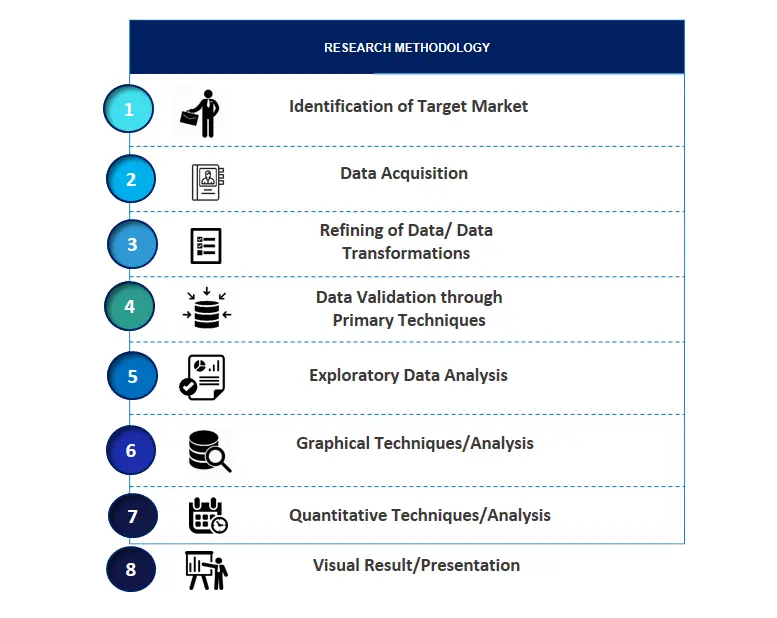
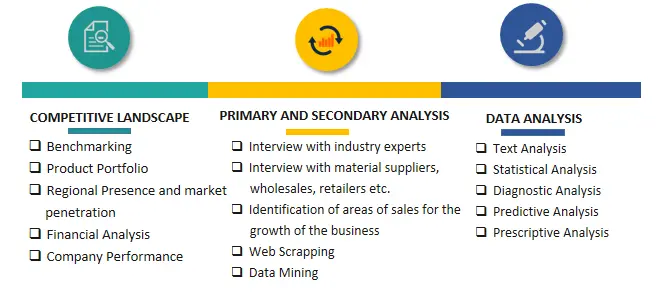
2. Research Methodology
2.1. Research data source
2.1.1. Secondary Data
2.1.2. Primary Data
2.1.3. SPER’s internal database
2.1.4. Premium insight from KOL’s
2.2. Market size estimation
2.2.1. Top-down and Bottom-up approach
2.3. Data triangulation
3. Executive Summary
4. Market Dynamics
4.1. Driver, Restraint, Opportunity and Challenges analysis
4.1.1. Drivers
4.1.2. Restraints
4.1.3. Opportunities
4.1.4. Challenges
5. Market variable and outlook
5.1. SWOT Analysis
5.1.1. Strengths
5.1.2. Weaknesses
5.1.3. Opportunities
5.1.4. Threats
5.2. PESTEL Analysis
5.2.1. Political Landscape
5.2.2. Economic Landscape
5.2.3. Social Landscape
5.2.4. Technological Landscape
5.2.5. Environmental Landscape
5.2.6. Legal Landscape
5.3. PORTER’s Five Forces
5.3.1. Bargaining power of suppliers
5.3.2. Bargaining power of buyers
5.3.3. Threat of Substitute
5.3.4. Threat of new entrant
5.3.5. Competitive rivalry
5.4. Heat Map Analysis
6. Competitive Landscape
6.1. Global Medical Oxygen Concentrators Market Manufacturing Base Distribution, Sales Area, Product Type
6.2. Mergers & Acquisitions, Partnerships, Product Launch, and Collaboration in Global Medical Oxygen Concentrators Market
7. Global Medical Oxygen Concentrators Market, By Product, (USD Million) 2022-2035
7.1. Portable medical oxygen concentrators
7.2. Stationary medical oxygen concentrators
8. Global Medical Oxygen Concentrators Market, By Technology, (USD Million) 2022-2035
8.1. Continuous flow
8.2. Pulse flow
9. Global Medical Oxygen Concentrators Market, By Application, (USD Million) 2022-2035
9.1. Chronic obstructive pulmonary disease (COPD)
9.2. Asthma
9.3. Respiratory distress syndrome
9.4. Other applications
10. Global Medical Oxygen Concentrators Market, By End Use, (USD Million) 2022-2035
10.1. Hospitals
10.2. Clinics
10.3. Home care
10.4. Other end users
11. Global Medical Oxygen Concentrators Market, (USD Million) 2022-2035
11.1. Global Medical Oxygen Concentrators Market Size and Market Share
12. Global Medical Oxygen Concentrators Market, By Region, (USD Million) 2022-2035
12.1. Asia-Pacific
12.1.1. Australia
12.1.2. China
12.1.3. India
12.1.4. Japan
12.1.5. South Korea
12.1.6. Rest of Asia-Pacific
12.2. Europe
12.2.1. France
12.2.2. Germany
12.2.3. Italy
12.2.4. Spain
12.2.5. United Kingdom
12.2.6. Rest of Europe
12.3. Middle East and Africa
12.3.1. Kingdom of Saudi Arabia
12.3.2. United Arab Emirates
12.3.3. Qatar
12.3.4. South Africa
12.3.5. Egypt
12.3.6. Morocco
12.3.7. Nigeria
12.3.8. Rest of Middle-East and Africa
12.4. North America
12.4.1. Canada
12.4.2. Mexico
12.4.3. United States
12.5. Latin America
12.5.1. Argentina
12.5.2. Brazil
12.5.3. Rest of Latin America
13. Company Profile
13.1. BESCO Medical
13.1.1. Company details
13.1.2. Financial outlook
13.1.3. Product summary
13.1.4. Recent developments
13.2. BPL Medical Technologies
13.2.1. Company details
13.2.2. Financial outlook
13.2.3. Product summary
13.2.4. Recent developments
13.3. CAIRE
13.3.1. Company details
13.3.2. Financial outlook
13.3.3. Product summary
13.3.4. Recent developments
13.4. Daikin Industries
13.4.1. Company details
13.4.2. Financial outlook
13.4.3. Product summary
13.4.4. Recent developments
13.5. Drive DeVilbiss Healthcare
13.5.1. Company details
13.5.2. Financial outlook
13.5.3. Product summary
13.5.4. Recent developments
13.6. ESAB Corporation
13.6.1. Company details
13.6.2. Financial outlook
13.6.3. Product summary
13.6.4. Recent developments
13.7. Foshan Keyhub Electronic Industries
13.7.1. Company details
13.7.2. Financial outlook
13.7.3. Product summary
13.7.4. Recent developments
13.8. Inogen
13.8.1. Company details
13.8.2. Financial outlook
13.8.3. Product summary
13.8.4. Recent developments
13.9. Jiangsu Yuyue Medical Equipment & Supply (Yuwell)
13.9.1. Company details
13.9.2. Financial outlook
13.9.3. Product summary
13.9.4. Recent developments
13.10. Koninklijke Philips N.V.
13.10.1. Company details
13.10.2. Financial outlook
13.10.3. Product summary
13.10.4. Recent developments
13.11. O2 Concepts
13.11.1. Company details
13.11.2. Financial outlook
13.11.3. Product summary
13.11.4. Recent developments
13.12. OXUS
13.12.1. Company details
13.12.2. Financial outlook
13.12.3. Product summary
13.12.4. Recent developments
13.13. Precision Medical
13.13.1. Company details
13.13.2. Financial outlook
13.13.3. Product summary
13.13.4. Recent developments
13.14. React Health
13.14.1. Company details
13.14.2. Financial outlook
13.14.3. Product summary
13.14.4. Recent developments
13.15. Teijin Limited
13.15.1. Company details
13.15.2. Financial outlook
13.15.3. Product summary
13.15.4. Recent developments
13.16. Others
14. Conclusion
15. List of Abbreviations
16. Reference Links