Global Manufacturing Carbon Management System Market Forecast
Global Manufacturing Carbon Management System Market Growth, Size, Trends Analysis- By Component, By Deployment- Regional Outlook, Competitive Strategies and Segment Forecast to 2034
| Published: Jan-2026 | Report ID: COAM2601 | Pages: 1 - 175 | Formats*: |
| Category : Construction & Manufacturing | |||

- In January 2025, ENGIE is progressing towards carbon-neutral objects for the Gulf region by responding to an adding demand in large- scale solar and wind energy systems. With strong appetite in the region for renewables. The company leverages its transnational experience of over 10 Gigawatts of renewables and sophisticated galvanic battery energy stores to ameliorate network effectiveness and stimulate sustainable development for the region.
- In July 2024, ENGIE and BASF established a long- term agreement in Europe for the force of biomethane, under which ENGIE will deliver between 2.7 and 3.0 terawatt- hours over the duration of the contract. This cooperation enables BASF to enhance its product portfolio by offering low- carbon or carbon-neutral results to diligence including automotive, packaging, and cleansers.
- In March 2024, IBM’s new RFP for climate- adaptive flexible metropolises pledged up to USD 45 million, marking the company's entry into climate adaption. This RFP targets the United Nations Sustainable Development thing 11 which aims to make civic areas safe, flexible, sustainable, and carbon neutral. These enterprises concentrate on pall technology development, which will fuel growth on the request
| Report Metric | Details |
|---|---|
| Market size available for years | 2021-2034 |
| Base year considered | 2024 |
| Forecast period | 2025-2034 |
| Segments covered | By Component, By Deployment |
| Regions covered | North America, Latin America, Asia-Pacific, Europe, and Middle East & Africa |
| Companies Covered | Accuvio, Carbon Footprint Ltd., Dakota Software, Enablon, EnergyCap., Engie, Enviance, Envirosoft, ESP, IBM, Intelex, Isometrix, Locus Technologies, NativeEnergy, Salesforce, SAP, Schneider Electric, Trinity Consultants |
- Global Manufacturing Carbon Management System Market Size (FY’2021-FY’2034)
- Overview of Global Manufacturing Carbon Management System Market
- Segmentation of Global Manufacturing Carbon Management System Market by Component (Solution, Services)
- Segmentation of Global Manufacturing Carbon Management System Market by Deployment (Cloud, On-premises)
- Statistical Snap of Global Manufacturing Carbon Management System Market
- Expansion Analysis of Global Manufacturing Carbon Management System Marke
- Problems and Obstacles in Global Manufacturing Carbon Management System Market
- Competitive Landscape in the Global Manufacturing Carbon Management System Market
- Details on Current Investment in Global Manufacturing Carbon Management System Market
- Competitive Analysis of Global Manufacturing Carbon Management System Market
- Prominent Players in the Global Manufacturing Carbon Management System Market
- SWOT Analysis of Global Manufacturing Carbon Management System Market
- Global Manufacturing Carbon Management System Market Future Outlook and Projections (FY’2025-FY’2034)
- Recommendations from Analyst
1.1.Scope of the report1.2.Market segment analysis
2.1.Research data source
2.1.1.Secondary Data2.1.2.Primary Data2.1.3.SPER’s internal database2.1.4.Premium insight from KOL’s
2.2. Market size estimation
2.2.1.Top-down and Bottom-up approach
2.3.Data triangulation
4.1.Driver, Restraint, Opportunity and Challenges analysis
4.1.1.Drivers4.1.2.Restraints4.1.3.Opportunities4.1.4.Challenges
5.1.SWOT Analysis
5.1.1.Strengths5.1.2.Weaknesses5.1.3.Opportunities5.1.4.Threats
5.2. PESTEL Analysis
5.2.1.Political Landscape5.2.2.Economic Landscape5.2.3.Social Landscape5.2.4.Technological Landscape5.2.5.Environmental Landscape5.2.6.Legal Landscape
5.3. PORTER’s Five Forces
5.3.1.Bargaining power of suppliers5.3.2.Bargaining power of buyers5.3.3.Threat of Substitute5.3.4.Threat of new entrant5.3.5.Competitive rivalry
5.4. Heat Map Analysis
6.1.Global Manufacturing Carbon Management System Market Manufacturing Base Distribution, Sales Area, Product Type6.2.Mergers & Acquisitions, Partnerships, Product Launch, and Collaboration in Global Manufacturing Carbon Management System Market
7.1.Solution7.2.Services
8.1.Cloud8.2.On-premises
9.1.Global Manufacturing Carbon Management System Market Size and Market Share
10.1.Asia-Pacific
10.1.1.Australia10.1.2.China10.1.3.India10.1.4.Japan10.1.5.South Korea10.1.6.Rest of Asia-Pacific
10.2.Europe
10.2.1.France10.2.2.Germany10.2.3.Italy10.2.4.Spain10.2.5.United Kingdom10.2.6.Rest of Europe
10.3.Middle East and Africa
10.3.1.Kingdom of Saudi Arabia10.3.2.United Arab Emirates10.3.3.Qatar10.3.4.South Africa10.3.5.Egypt10.3.6.Morocco10.3.7.Nigeria10.3.8.Rest of Middle-East and Africa
10.4.North America
10.4.1.Canada10.4.2.Mexico10.4.3.United States10.5.Latin America10.5.1.Argentina10.5.2.Brazil
10.5.3.Rest of Latin America
11.1.Accuvio
11.1.1.Company details11.1.2.Financial outlook11.1.3.Product summary11.1.4.Recent developments
11.2.Carbon Footprint Ltd.
11.2.1.Company details11.2.2.Financial outlook11.2.3.Product summary11.2.4.Recent developments
11.3.Dakota Software
11.3.1.Company details11.3.2.Financial outlook11.3.3.Product summary11.3.4.Recent developments
11.4.Enablon
11.4.1.Company details11.4.2.Financial outlook11.4.3.Product summary11.4.4.Recent developments
11.5.EnergyCap.
11.5.1.Company details11.5.2.Financial outlook11.5.3.Product summary11.5.4.Recent developments
11.6.Engie
11.6.1.Company details11.6.2.Financial outlook11.6.3.Product summary11.6.4.Recent developments
11.7.Enviance
11.7.1.Company details11.7.2.Financial outlook11.7.3.Product summary11.7.4.Recent developments
11.8.Envirosoft
11.8.1.Company details11.8.2.Financial outlook11.8.3.Product summary11.8.4.Recent developments
11.9.ESP
11.9.1.Company details11.9.2.Financial outlook11.9.3.Product summary11.9.4.Recent developments
11.10.IBM
11.10.1.Company details11.10.2.Financial outlook11.10.3.Product summary11.10.4.Recent developments
11.11.Intelex
11.11.1.Company details11.11.2.Financial outlook11.11.3.Product summary11.11.4.Recent developments
11.12.Isometrix
11.12.1.Company details11.12.2.Financial outlook11.12.3.Product summary11.12.4.Recent developments
11.13.Locus Technlogies
11.13.1.Company details11.13.2.Financial outlook11.13.3.Product summary11.13.4.Recent developments
11.14.NativeEnergy
11.14.1.Company details11.14.2.Financial outlook11.14.3.Product summary11.14.4.Recent developments
11.15.Salesforce
11.15.1.Company details11.15.2.Financial outlook11.15.3.Product summary11.15.4.Recent developments
11.16.SAP
11.16.1.Company details11.16.2.Financial outlook11.16.3.Product summary11.16.4.Recent developments
11.17.Schneider Electric
11.17.1.Company details11.17.2.Financial outlook11.17.3.Product summary11.17.4.Recent developments
11.18.Trinity Consultants
11.18.1.Company details11.18.2.Financial outlook11.18.3.Product summary11.18.4.Recent developments
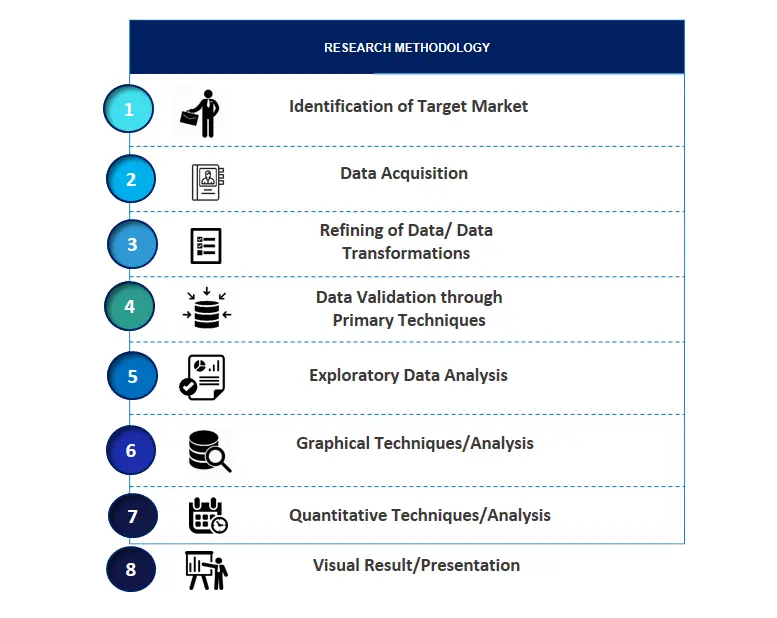
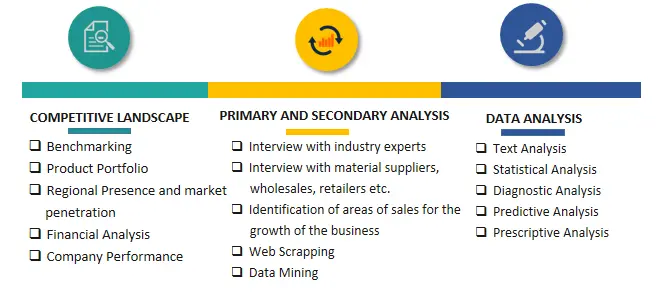
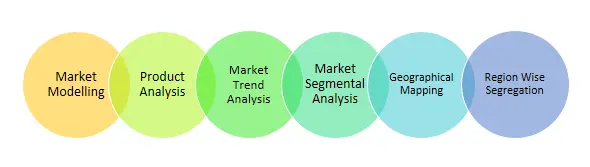
SPER Market Research’s methodology uses great emphasis on primary research to ensure that the market intelligence insights are up to date, reliable and accurate. Primary interviews are done with players involved in each phase of a supply chain to analyze the market forecasting. The secondary research method is used to help you fully understand how the future markets and the spending patterns look likes.
The report is based on in-depth qualitative and quantitative analysis of the Product Market. The quantitative analysis involves the application of various projection and sampling techniques. The qualitative analysis involves primary interviews, surveys, and vendor briefings. The data gathered as a result of these processes are validated through experts opinion. Our research methodology entails an ideal mixture of primary and secondary initiatives.
Frequently Asked Questions About This Report
PLACE AN ORDER
Year End Discount
Sample Report
Pre-Purchase Inquiry
NEED CUSTOMIZATION?
Request CustomizationCALL OR EMAIL US
100% Secure Payment