Global RTD Tea Market Growth, Size, Trends Analysis- By Product Type, By Packaging Type, By Sweetness Level, By Functional Benefits, By Distribution Channel- Regional Outlook, Competitive Strategies and Segment Forecast to 2034
According to SPER Market Research, the Global RTD Tea Market is estimated to reach USD 70.81 billion by 2034 with a CAGR of 6.01%.
Introduction and Overview
The report includes an in-depth analysis of the Global RTD Tea Market, including market size and trends, product mix, Applications, and supplier analysis.
The Global RTD Tea Market was valued at USD 39.5 billion in 2024, and it is expected to rise at a 6.01% CAGR from 2025 to 2034. The Global RTD Tea Market is growing steadily, driven by several key factors. Consumers are increasingly shifting toward healthier drink options, which has boosted the demand for ready-to-drink teas positioned as natural, low-calorie, and functional beverages. Rapid urbanization and fast-paced lifestyles have further increased the preference for convenient, on-the-go drink formats, making RTD tea a popular choice. Additionally, continuous innovation in flavors, ingredients, and premium tea blends has enhanced consumer interest and expanded the market’s appeal. Brands are introducing unique formulations such as herbal, fruit-infused, and wellness-focused teas which attract health-conscious and experimental buyers alike.
By Product Type Insights
Black tea holds a significant position in the global RTD tea category due to its widespread acceptance across regions such as North America, Europe, and Asia. Its strong consumer base makes it one of the most preferred choices in ready-to-drink formats. Green tea also maintains a strong presence, supported by its reputation for health benefits, particularly related to antioxidants and metabolism. Herbal varieties like chamomile and peppermint appeal to consumers seeking caffeine-free options and functional wellness benefits. Matcha attracts individuals looking for natural energy and overall wellness, while kombucha continues to gain momentum among health-conscious buyers due to its probiotic properties.
By Packaging Type Insights
Bottled formats continue to lead the RTD tea category, supported by their convenience and practicality for on-the-go consumption, especially among fast-paced urban consumers. Their resealable caps make them easy to carry and reuse, while the sturdy packaging helps maintain product freshness and protect against contamination. Retail stores and vending machines also prefer glass and PET bottles due to their strong shelf visibility and branding potential. Additionally, the growing shift toward sustainable and recyclable packaging materials has strengthened consumer preference for bottled RTD teas. These advantages collectively help bottles maintain an edge over cans, cartons, and other packaging formats.
By Sweetness Level Insights
The sweetened RTD tea segment remains one of the most widely consumed due to its broad appeal and familiar taste profile. Consumers appreciate the variety within this category, which ranges from lightly sweetened options to richer, more sugary blends, allowing brands to cater to diverse taste preferences. Reduced-sugar variants are gaining traction as they offer a balanced taste with fewer calories. At the same time, unsweetened and zero-calorie versions are becoming popular among calorie-conscious buyers. Artificially sweetened teas also attract consumers wanting sweetness without added sugar, though some still express concerns about artificial ingredients.
By Functional Benefits Insights
The regular RTD tea segment continues to lead the market because of its strong consumer base and long-standing presence in the beverage industry. It is widely recognized, affordable, and easily accessible, making it a convenient choice for everyday consumption. Regular RTD tea appeals to a broad range of consumers from casual tea drinkers to those who prefer simple, familiar flavors. Its availability across multiple distribution channels, including supermarkets, convenience stores, pharmacies, and online platforms, further supports its dominance. The segment also benefits from strong brand loyalty and mass-market acceptance.
By Distribution Channel Insights
Supermarkets and hypermarkets remain the leading channels for RTD tea because of their wide product selection, competitive pricing, and ability to attract regular shoppers. Convenience stores also contribute significantly by offering quick, anytime access for busy consumers seeking on-the-go beverages. Specialty stores continue to serve niche demand for premium, organic, and wellness-oriented RTD teas. Online retail is rising rapidly, especially among younger buyers who prefer doorstep delivery and digital convenience. Foodservice outlets such as cafés and restaurants further boost consumption by offering ready-to-serve options. Vending machines in workplaces, malls, and transport hubs expand reach by providing fast, affordable choices in high-traffic areas.
Regional Insights
China remains the leading market for RTD tea in the Asia-Pacific region, supported by its deep-rooted tea culture and strong production base. Rising interest in green, herbal, and functional teas especially among health-aware consumers continues to fuel demand. Rapid urbanization and busier city lifestyles further encourage the shift toward convenient, ready-to-drink formats. The availability of traditional varieties such as jasmine and oolong in RTD versions also strengthens market growth. Local brands, including well-established players known for product innovation, contribute to expanding choices for consumers. China’s large-scale tea industry and evolving beverage trends firmly position it as a major force in the global RTD tea sector.
Market Competitive Landscape
The competitive landscape of the global RTD tea market is shaped by a few dominant multinational players with strong brand influence and extensive global reach. Companies such as The Coca-Cola Company, PepsiCo, Unilever, Nestlé, and Suntory lead the sector through their wide product portfolios, advanced manufacturing capabilities, and well-established distribution channels. Their continuous investment in product innovation, healthier formulations, and new flavor profiles helps them stay ahead of emerging regional brands. These major players also leverage strong marketing strategies and strategic partnerships to expand their consumer base, maintain market visibility, and effectively respond to shifting preferences toward healthier and functional beverages.
Recent Developments:
â— In March 2024, Starbucks broadened its U.S. beverage portfolio by launching the Oatmilk Frappuccino Chilled Coffee Drink and adding new flavors to its Starbucks Cold Brew and Starbucks Multi-serve Cold Brew collections.
Scope of the report:
Report Metric Details
Market size available for the years 2021-2034
Base year considered 2024
Forecast Period 2025-2034
Segments Covered By Product Type, By Packaging Type, By Sweetness Level, By Functional Benefits, By Distribution Channel
Regions Covered North America, Latin America, Asia-Pacific, Europe, Middle East & Africa
Companies Covered Néstlé S.A., PepsiCo, Inc., Suntory Holdings Limited, The Coca-Cola Company, Unilever PLC
Key Topics Covered in the Report
◠Global RTD Tea Market Size (FY’2021-FY’2034)
â— Overview of Global RTD Tea Market
â— Segmentation of Global RTD Tea Market By Product Type (Black tea, Green tea, Herbal tea, Fruit tea, Oolong tea, White tea, Matcha tea, Kombucha, Other)
â— Segmentation of Global RTD Tea Market By Packaging Type (Bottles, Cans, Cartons, Pouches, Other packaging types)
â— Segmentation of Global RTD Tea Market By Sweetness Level (Sweetened, Reduced sugar, Unsweetened, Artificially sweetened)
â— Segmentation of Global RTD Tea Market By Functional Benefits (Regular RTD tea, Fortified RTD tea, Functional RTD tea, Organic RTD tea, Clean label RTD tea)
â— Segmentation of Global RTD Tea Market By Distribution Channel (Supermarkets & hypermarkets, Convenience stores, Specialty stores, Online retail, Foodservice, Vending machines, Other)
â— Statistical Snap of Global RTD Tea Market
â— Expansion Analysis of Global RTD Tea Market
â— Problems and Obstacles in Global RTD Tea Market
â— Competitive Landscape in the Global RTD Tea Market
â— Details on Current Investment in Global RTD Tea Market
â— Competitive Analysis of Global RTD Tea Market
â— Prominent Players in the Global RTD Tea Market
â— SWOT Analysis of Global RTD Tea Market
◠Global RTD Tea Market Future Outlook and Projections (FY’2025-FY’2034)
â— Recommendations from Analyst
Global RTD Tea Market- By Product Type, By Packaging Type, By Sweetness Level, By Functional Benefits, By Distribution Channel - Regional Outlook, Competitive Strategies and Segment Forecast to 2034
1. Introduction
1.1. Scope of the report
1.2. Market segment analysis
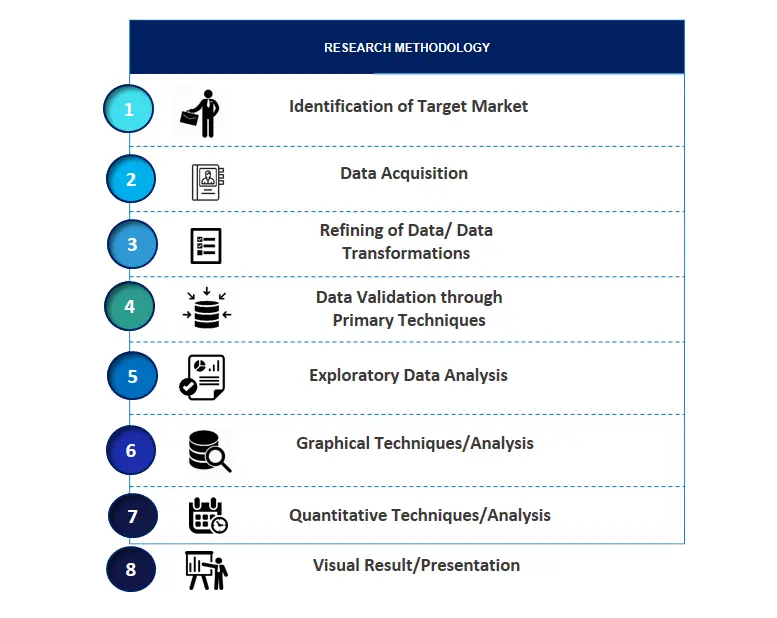
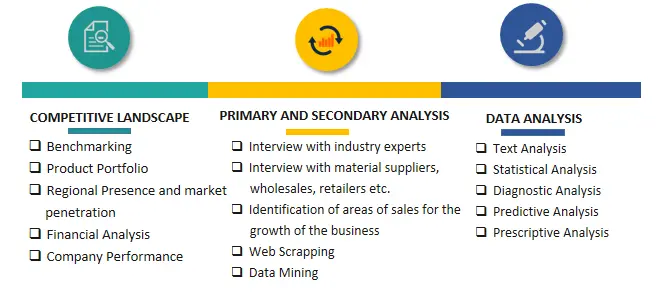
2. Research Methodology
2.1. Research data source
2.1.1. Secondary Data
2.1.2. Primary Data
2.1.3. SPER’s internal database
2.1.4. Premium insight from KOL’s
2.2. Market size estimation
2.2.1. Top-down and Bottom-up approach
2.3. Data triangulation
3. Executive Summary
4. Market Dynamics
4.1. Driver, Restraint, Opportunity and Challenges analysis
4.1.1. Drivers
4.1.2. Restraints
4.1.3. Opportunities
4.1.4. Challenges
5. Market variable and outlook
5.1. SWOT Analysis
5.1.1. Strengths
5.1.2. Weaknesses
5.1.3. Opportunities
5.1.4. Threats
5.2. PESTEL Analysis
5.2.1. Political Landscape
5.2.2. Economic Landscape
5.2.3. Social Landscape
5.2.4. Technological Landscape
5.2.5. Environmental Landscape
5.2.6. Legal Landscape
5.3. PORTER’s Five Forces
5.3.1. Bargaining power of suppliers
5.3.2. Bargaining power of buyers
5.3.3. Threat of Substitute
5.3.4. Threat of new entrant
5.3.5. Competitive rivalry
5.4. Heat Map Analysis
6. Competitive Landscape
6.1. Global RTD Tea Market Manufacturing Base Distribution, Sales Area, Product Type
6.2. Mergers & Acquisitions, Partnerships, Product Launch, and Collaboration in Global RTD Tea Market
7. Global RTD Tea Market, By Product Type (USD Million) 2021-2034
7.1. Black tea
7.2. Green tea
7.3. Herbal Tea
7.4. Fruit Tea
7.5. Oolong tea
7.6. White tea
7.7. Matcha tea
7.8. Kombucha
7.9. Other
8. Global RTD Tea Market, By Packaging Type (USD Million) 2021-2034
8.1. Bottles
8.1.1. PET bottles
8.1.2. Glass bottles
8.1.3. Other bottle types
8.2. Cans
8.2.1. Aluminum cans
8.2.2. Steel cans
8.3. Cartons
8.4. Pouches
8.5. Other packaging types
9. Global RTD Tea Market, By Sweetness Level (USD Million) 2021-2034
9.1. Sweetened
9.2. Reduced sugar
9.3. Unsweetened
9.4. Artificially sweetened
10. Global RTD Tea Market, By Functional Benefits (USD Million) 2021-2034
10.1. Regular RTD tea
10.2. Fortified RTD tea
10.3. Functional RTD tea
10.4. Organic RTD tea
10.5. Clean label RTD tea
11. Global RTD Tea Market, By Distribution Channel (USD Million) 2021-2034
11.1. Supermarkets & hypermarkets
11.2. Convenience stores
11.3. Specialty stores
11.4. Online retail
11.5. Foodservice
11.6. Vending machines
11.7. Other
12. Global RTD Tea Market, (USD Million) 2021-2034
12.1. Global RTD Tea Market Size and Market Share
13. Global RTD Tea Market, By Region, (USD Million) 2021-2034
13.1. Asia-Pacific
13.1.1. Australia
13.1.2. China
13.1.3. India
13.1.4. Japan
13.1.5. South Korea
13.1.6. Rest of Asia-Pacific
13.2. Europe
13.2.1. France
13.2.2. Germany
13.2.3. Italy
13.2.4. Spain
13.2.5. United Kingdom
13.2.6. Rest of Europe
13.3. Middle East and Africa
13.3.1. Kingdom of Saudi Arabia
13.3.2. United Arab Emirates
13.3.3. Qatar
13.3.4. South Africa
13.3.5. Egypt
13.3.6. Morocco
13.3.7. Nigeria
13.3.8. Rest of Middle-East and Africa
13.4. North America
13.4.1. Canada
13.4.2. Mexico
13.4.3. United States
13.5. Latin America
13.5.1. Argentina
13.5.2. Brazil
13.5.3. Rest of Latin America
14. Company Profile
14.1. Néstlé S.A.
14.1.1. Company details
14.1.2. Financial outlook
14.1.3. Product summary
14.1.4. Recent developments
14.2. PepsiCo, Inc.
14.2.1. Company details
14.2.2. Financial outlook
14.2.3. Product summary
14.2.4. Recent developments
14.3. Suntory Holdings Limited
14.3.1. Company details
14.3.2. Financial outlook
14.3.3. Product summary
14.3.4. Recent developments
14.4. The Coca-Cola Company
14.4.1. Company details
14.4.2. Financial outlook
14.4.3. Product summary
14.4.4. Recent developments
14.5. Unilever PLC
14.5.1. Company details
14.5.2. Financial outlook
14.5.3. Product summary
14.5.4. Recent developments
14.6. Others
15. Conclusion
16. List of Abbreviations
17. Reference Links