Global Zero Waste Packaging Market Analysis Report

Global Zero Waste Packaging Market Growth, Size, Trends Analysis- By Product Type, By Material, By End Use, By Distribution Channel– Regional Outlook, Competitive Strategies and Segment Forecast to 2034

Published: Jan-2026 Report ID: PACK2608 Pages: 1 - 124 Formats*:     
Category : Packaging
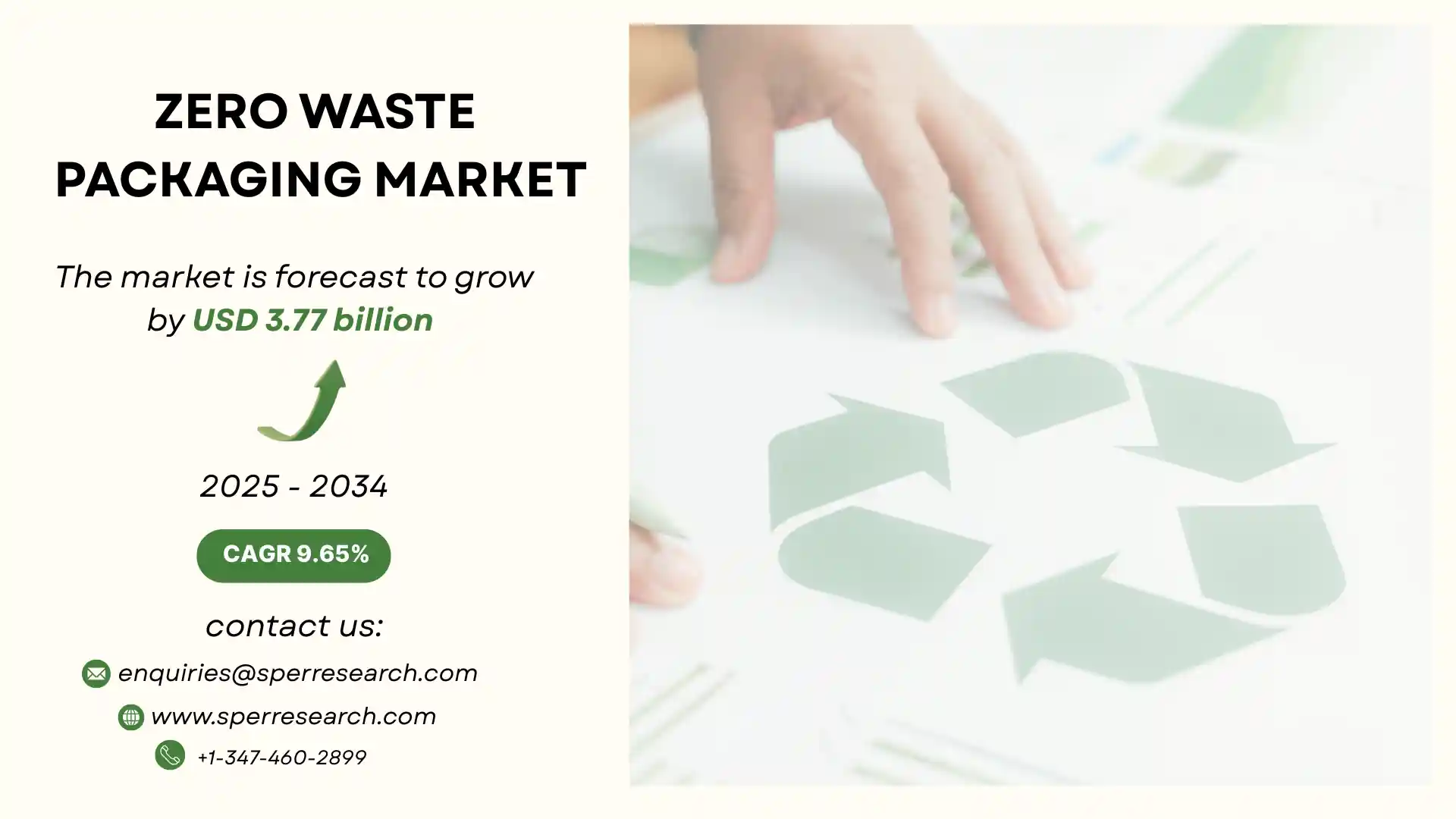
According to SPER Market Research, the Global Zero Waste Packaging Market is estimated to reach USD 3.77 billion by 2034 with a CAGR 9.65%.

Introduction and Overview
The report includes an in-depth analysis of the Global Zero Waste Packaging Market, including market size and trends, product mix, Applications, and supplier analysis.

The global Zero Waste Packaging Market was valued at approximately USD 1.5 billion in 2023 and is expected to grow at a CAGR of around 9.65% from 2024 to 2032, supported by increasing consumer demand for sustainable and eco-friendly packaging solutions. This growth is driven by rising awareness of environmental issues, stringent regulations on plastic waste and carbon emissions, and improvements in compostable and recyclable packaging technologies that help brands meet sustainability targets while ensuring product protection. Expansion of circular economy practices, investment in sustainable materials, and heightened demand from food, retail, and e-commerce sectors are further accelerating adoption of zero waste packaging solutions.

By Product Type:
Reusable packaging represents the leading product type in the zero-waste packaging market. Its strong position is supported by the growing shift toward circular economy practices, where packaging is designed for multiple use cycles rather than single disposal. Industries such as food & beverage, retail, and consumer goods increasingly adopt reusable containers, refill systems, and returnable packaging to minimize waste generation. Regulatory pressure to reduce landfill waste and single-use plastics further strengthens adoption. In addition, reusable packaging helps companies lower long-term operational costs and enhance brand image among eco-conscious consumers, making repeated-use solutions a key factor shaping overall market demand.

By Material:
Paper and cardboard account for the largest share within the material segment of the zero-waste packaging market. Their dominance is driven by high recyclability, biodegradability, and broad consumer acceptance. Paper-based materials integrate easily into existing recycling infrastructures across developed and developing regions, reducing waste management complexity. They are widely used in food packaging, e-commerce, and consumer goods due to their lightweight nature, printability, and cost efficiency. The availability of sustainably sourced paper and advancements in barrier coatings also improve performance, allowing paper and cardboard to replace plastic in many applications while supporting zero waste objectives.

By End Use:
The food & beverages segment contributes the most to zero waste packaging adoption. This is mainly due to high packaging volumes and increasing regulatory scrutiny over food-related waste and plastic usage. Food producers and retailers are transitioning toward recyclable, compostable, and reusable packaging to meet sustainability targets while maintaining food safety and shelf-life requirements. Consumer demand for environmentally responsible food packaging further accelerates this shift. Innovations in compostable films, paper-based containers, and reusable food packaging systems support this segment’s strong position, making food and beverages a central driver of growth in the zero-waste packaging market.

By Distribution Channel:
Supermarkets and hypermarkets hold the largest share in the distribution channel segment of the zero-waste packaging market. These retail formats influence consumer purchasing behaviours by offering sustainable packaging options at scale and promoting eco-friendly brands. Many supermarkets actively implement zero waste initiatives, such as refill stations, bulk purchasing, and reduced plastic packaging, which increases visibility and adoption of sustainable solutions. Their extensive distribution networks, strong supplier relationships, and ability to educate consumers through in-store campaigns make supermarkets and hypermarkets a major factor supporting market penetration and long-term adoption of zero waste packaging solutions.

Regional Insights:
North America represents a mature and innovation-driven zero waste packaging market, supported by strong sustainability initiatives in the U.S. and Canada and growing adoption of reusable and recyclable packaging by major brands. Europe follows closely, with countries such as the UK, Germany, France, Italy, and Spain enforcing strict environmental regulations and extended producer responsibility frameworks, while Russia shows gradual adoption. Asia Pacific is emerging rapidly, led by China, India, Japan, South Korea, and Australia, driven by rising environmental awareness, urbanization, and government-led plastic reduction policies. Latin America, particularly Brazil and Mexico, is gaining momentum through regulatory reforms, while the Middle East & Africa, including the UAE, Saudi Arabia, and South Africa, shows steady growth supported by sustainability strategies and waste reduction programs.


Market Competitive Landscape:
The Zero Waste Packaging Market is highly consolidated. Some of the market key players are Avani Eco, Biome Bioplastics, DS Smith, Evoware, GWP Group, Hero Packaging, Menasha Corporation, Mondi Group, Morro, NatureFlex, Notpla, Pappco Greenware, RePack, Sulapac, Sunpack Corporation, The Paper Straw Co., TIPA, World Centric

Recent Developments:
  • In October 2024, Sway launched compostable seaweed- grounded polybags in collaboration with brands like Alex Crane and prAna, marking a significant move towards barring plastic in fashion packaging. This action highlights the shift toward sustainable accoutrements, aiming for zero waste while furnishing effective, environmentally friendly packaging results.
  • In February 2024, Generation Food Rural mates I, LP(GFRP) acquired comestible packaging incipiency DisSolves, which specializes in zero- waste, dissolvable flicks. DisSolves has developed patented comestible flicks that dissolve fleetly in hot or cold water, milk, and juice, without leaving any residue. operations range from protein capsules, instant coffee packs, and pre-portioned child formula, to encapsulants and nutraceuticals.

Scope of the report:
Report MetricDetails
Market size available for years2021-2034
Base year considered2024
Forecast period2025-2034
Segments coveredBy Product Type, By Material, By End Use, By Distribution Channel
Regions coveredNorth America, Latin America, Asia-Pacific, Europe, and Middle East & Africa
Companies CoveredAvani Eco, Biome Bioplastics, DS Smith, Evoware, GWP Group, Hero Packaging, Menasha Corporation, Mondi Group, Morro, NatureFlex, Notpla, Pappco Greenware, RePack, Sulapac, Sunpack Corporation, The Paper Straw Co., TIPA, World Centric


Key Topics Covered in the Report
  • Global Zero Waste Packaging Market Size (FY’2021-FY’2034)
  • Overview of Global Zero Waste Packaging Market
  • Segmentation of Global Zero Waste Packaging Market by Product Type (Reusable packaging, Compostable packaging, Edible packaging)
  • Segmentation of Global Zero Waste Packaging Market by Material (Biopolymer, Paper and cardboard, Glass packaging, Metal packaging)
  • Segmentation of Global Zero Waste Packaging Market by End Use (Food & beverages, Healthcare, Consumer goods, Electrical & electronics, Others)
  • Segmentation of Global Zero Waste Packaging Market by Distribution Channel (Online, Supermarkets & hypermarkets, Specialty stores, Convenience stores)
  • Statistical Snap of Global Zero Waste Packaging Market
  • Expansion Analysis of Global Zero Waste Packaging Market
  • Problems and Obstacles in Global Zero Waste Packaging Market
  • Competitive Landscape in the Global Zero Waste Packaging Market
  • Details on Current Investment in Global Zero Waste Packaging Market
  • Competitive Analysis of Global Zero Waste Packaging Market
  • Prominent Players in the Global Zero Waste Packaging Market
  • SWOT Analysis of Global Zero Waste Packaging Market
  • Global Zero Waste Packaging Market Future Outlook and Projections (FY’2025-FY’2034)
  • Recommendations from Analyst
1.Introduction
1.1. Scope of the report
1.2. Market segment analysis 

2.Research Methodology
2.1. Research data source
2.1.1. Secondary Data
2.1.2. Primary Data
2.1.3. SPER’s internal database
2.1.4. Premium insight from KOL’s
2.2. Market size estimation
2.2.1. Top-down and Bottom-up approach
2.3. Data triangulation

3.Executive Summary

4.Market Dynamics
4.1. Driver, Restraint, Opportunity and Challenges analysis
4.1.1. Drivers
4.1.2. Restraints
4.1.3. Opportunities
4.1.4. Challenges

5.Market variable and outlook
5.1. SWOT Analysis
5.1.1. Strengths
5.1.2. Weaknesses
5.1.3. Opportunities
5.1.4. Threats
5.2. PESTEL Analysis
5.2.1. Political Landscape
5.2.2. Economic Landscape
5.2.3. Social Landscape
5.2.4. Technological Landscape
5.2.5. Environmental Landscape
5.2.6. Legal Landscape
5.3. PORTER’s Five Forces 
5.3.1. Bargaining power of suppliers
5.3.2. Bargaining power of buyers
5.3.3. Threat of Substitute
5.3.4. Threat of new entrant
5.3.5. Competitive rivalry
5.4. Heat Map Analysis

6.Competitive Landscape
6.1. Global Zero Waste Packaging Market Manufacturing Base Distribution, Sales Area, Product Type 
6.2. Mergers & Acquisitions, Partnerships, Product Launch, and Collaboration in Global Zero Waste Packaging Market

7.Global Zero Waste Packaging Market, By Product Type, (USD Million) 2021-2034 
7.1. Reusable packaging
7.2. Compostable packaging
7.3. Edible packaging

8.Global Zero Waste Packaging Market, By Material, (USD Million) 2021-2034 
8.1. Biopolymer
8.2. Paper and cardboard
8.3. Glass packaging
8.4. Metal packaging

9.Global Zero Waste Packaging Market, By End Use, (USD Million) 2021-2034 
9.1. Food & beverages
9.2. Healthcare
9.3. Consumer goods
9.4. Electrical & electronics
9.5. Others

10.Global Zero Waste Packaging Market, By Distribution Channel, (USD Million) 2021-2034 
10.1. Online
10.2. Supermarkets & hypermarkets
10.3. Specialty stores
10.4. Convenience stores

11.Global Zero Waste Packaging Market, (USD Million) 2021-2034 
11.1. Global Zero Waste Packaging Market Size and Market Share

12.Global Zero Waste Packaging Market, By Region, 2021-2034 (USD Million)
12.1. Asia-Pacific
12.1.1. Australia
12.1.2. China
12.1.3. India
12.1.4. Japan
12.1.5. South Korea
12.1.6. Rest of Asia-Pacific
12.2. Europe
12.2.1. France
12.2.2. Germany
12.2.3. Italy
12.2.4. Spain
12.2.5. United Kingdom
12.2.6. Rest of Europe
12.3. Middle East and Africa
12.3.1. Kingdom of Saudi Arabia 
12.3.2. United Arab Emirates
12.3.3. Qatar
12.3.4. South Africa
12.3.5. Egypt
12.3.6. Morocco
12.3.7. Nigeria
12.3.8. Rest of Middle-East and Africa
12.4. North America
12.4.1. Canada
12.4.2. Mexico
12.4.3. United States
12.5. Latin America
12.5.1. Argentina
12.5.2. Brazil
12.5.3. Rest of Latin America 

13.Company Profile
13.1. Avani Eco
13.1.1. Company details
13.1.2. Financial outlook
13.1.3. Product summary 
13.1.4. Recent developments
13.2. Biome Bioplastics
13.2.1. Company details
13.2.2. Financial outlook
13.2.3. Product summary 
13.2.4. Recent developments
13.3. DS Smith
13.3.1. Company details
13.3.2. Financial outlook
13.3.3. Product summary 
13.3.4. Recent developments
13.4. Evoware
13.4.1. Company details
13.4.2. Financial outlook
13.4.3. Product summary 
13.4.4. Recent developments
13.5. GWP Group
13.5.1. Company details
13.5.2. Financial outlook
13.5.3. Product summary 
13.5.4. Recent developments
13.6. Hero Packaging
13.6.1. Company details
13.6.2. Financial outlook
13.6.3. Product summary 
13.6.4. Recent developments
13.7. Menasha Corporation
13.7.1. Company details
13.7.2. Financial outlook
13.7.3. Product summary 
13.7.4. Recent developments
13.8. Mondi Group
13.8.1. Company details
13.8.2. Financial outlook
13.8.3. Product summary 
13.8.4. Recent developments
13.9. Morro
13.9.1. Company details
13.9.2. Financial outlook
13.9.3. Product summary 
13.9.4. Recent developments
13.10. NatureFlex
13.10.1. Company details
13.10.2. Financial outlook
13.10.3. Product summary 
13.10.4. Recent developments
13.11. Notpla
13.11.1. Company details
13.11.2. Financial outlook
13.11.3. Product summary 
13.11.4. Recent developments
13.12. Pappco Greenware
13.12.1. Company details
13.12.2. Financial outlook
13.12.3. Product summary 
13.12.4. Recent developments
13.13. RePack
13.13.1. Company details
13.13.2. Financial outlook
13.13.3. Product summary 
13.13.4. Recent developments
13.14. Sulapac
13.14.1. Company details
13.14.2. Financial outlook
13.14.3. Product summary 
13.14.4. Recent developments
13.15. Sunpack Corporation
13.15.1. Company details
13.15.2. Financial outlook
13.15.3. Product summary 
13.15.4. Recent developments
13.16. The Paper Straw Co.
13.16.1. Company details
13.16.2. Financial outlook
13.16.3. Product summary 
13.16.4. Recent developments
13.17. TIPA
13.17.1. Company details
13.17.2. Financial outlook
13.17.3. Product summary 
13.17.4. Recent developments
13.18. World Centric
13.18.1. Company details
13.18.2. outlook
13.18.3. Product summary 
13.18.4. Recent developments

14. Conclusion

15. List of Abbreviations

16. Reference Links

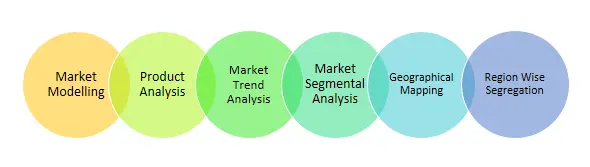
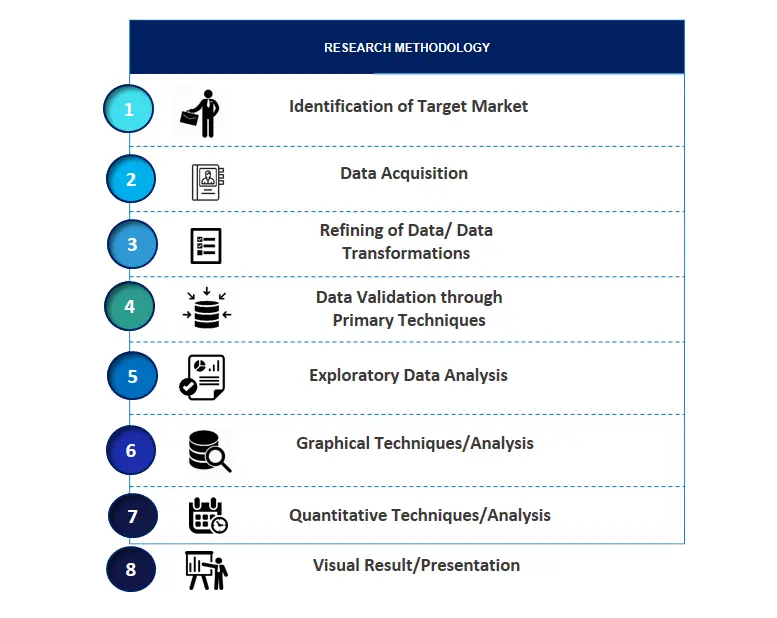
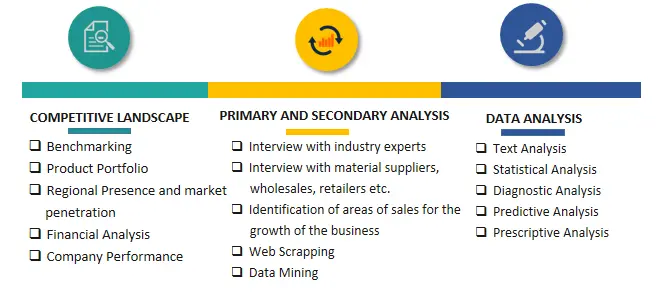
SPER Market Research’s methodology uses great emphasis on primary research to ensure that the market intelligence insights are up to date, reliable and accurate. Primary interviews are done with players involved in each phase of a supply chain to analyze the market forecasting. The secondary research method is used to help you fully understand how the future markets and the spending patterns look likes.

The report is based on in-depth qualitative and quantitative analysis of the Product Market. The quantitative analysis involves the application of various projection and sampling techniques. The qualitative analysis involves primary interviews, surveys, and vendor briefings.  The data gathered as a result of these processes are validated through experts opinion. Our research methodology entails an ideal mixture of primary and secondary initiatives.
SPER-Methodology-1

SPER-Methodology-2

SPER-Methodology-3


Frequently Asked Questions About This Report
The growth of the Global Zero Waste Packaging Market is driven by rising consumer demand for sustainable and eco-friendly packaging, stricter regulations on plastic waste and carbon emissions, and advancements in compostable and recyclable packaging technologies. These factors help brands meet sustainability goals while ensuring product safety and protection.
The circular economy plays a crucial role by promoting the reuse, recycling, and reduction of packaging waste. Investments in sustainable materials and innovations in recyclable and biodegradable packaging support circular practices, helping companies minimize waste and contribute to long-term environmental sustainability.
Key industries adopting zero waste packaging solutions include food and beverage, retail, and e-commerce. These sectors are increasingly investing in sustainable materials to reduce environmental impact, comply with recycling regulations, and meet consumer expectations for eco-friendly packaging.
PLACE AN ORDER
  • 15 % off
     
    $ 4250
  • 20 % off
             
    $ 7450
  • 25 % off
         
    $ 5650
Pre-Purchase Inquiry
SEND AN INQUIRY
NEED CUSTOMIZATION?
Request Customization
CALL OR EMAIL US
US:
India:
Email:
100% Secure Payment

SPER American Express
SPER VISA
SPER Master Card
SPER Mestro
SPER Paypal
SPER CCAvenues

Have a glance of the Report

  Download Free Sample

Looking for Customization?

 Customization Request

Have a Question?

 Reach Our Analysis Team

COVID-19 impact analysis?

 Request Analysis
Thought Leadership

Trusted by Industry Leaders

Our data-driven insights have influenced the strategy of 200+ reputed companies across the globe.

SPER-Astellas Pharma
SPER-Microsoft
SPER-EY
SPER-McKinsey
SPER-Bain
SPER-Max-Healthcare
SPER-DHL
SPER-IQVIA
SPER-Mitsubishi Logistics
SPER-PACCOR
SPER-Macmillan Education
SPER-Kankar IMRB
SPER-ITA
SPER-PWC
SPER-SAPTCA
SPER-Straumann
SPER-Danaher
SPER-AandM
SPER-MENARINI Silicon Biosystems
SPER-IPSOS
SPER-Heineken
HIPPA Compliant
GDPR Certified
ISO 27001
Peer Reviewed
Get Started Today

Your Competitive Advantage in
Pharmaceutical & Medical Technology
Markets

Join industry leaders leveraging AI-powered intelligence to make confident, data-driven decisions that accelerate breakthrough treatments and technologies to market.

No Credit Card Required
15-Minute Demo
Expert Guidance