
Global AI in Computer Vision Market Growth
Global AI in Computer Vision Market Growth, Size, Trends Analysis- By Component, By Application, By End Use, By Function, By Technology –Regional Outlook, Competitive Strategies and Segment Forecast to 2034
| Published: Jan-2026 | Report ID: IACT2607 | Pages: 1 - 198 | Formats*: |
| Category : Information & Communications Technology | |||
- On May 2025, Amniscient, a B2B SaaS inventor specializing in computer vision AI, launched AmniSphere, a new platform that's concentrated towards making advanced AI computer vision practical, scalable, and accessible across colorful diligence. This launch shows a major step towards the effective use of AI, allowing associations to make and emplace custom computer vision models in days, while achieving a stunning 99.9 delicacy in visual AI.
- In May 2025, Power Service, a global leader in field service operation software, acquired the French- grounded AI computer vision technology colonist Inveniam. This step is anticipated to greatly impact the field service assiduity. With this acquisiton, the Service Power’s expansive service operation platform will now combine with Inveniam’s assiduity- leading visual intelligence technologies for companies in diligence similar as telecommunications, serviceability or structure sectors.
- In April 2025, Angel Eye Health blazoned the launch of AIVision, an advanced point of the company's platform that integrates AI with cameras used in neonatal (NICU) and pediatric ferocious care units. This invention will revise bedside cameras, transubstantiating them from bare monitoring bias into intelligent clinical tools that give visionary data- driven perceptivity to help clinical brigades as well as ameliorate care delivery.
- In July 2024, Fitterfly, an Indian healthtech company, in collaboration with Google Cloud, developed Fitterfly Klik, a mess tracking point that tracks nutrition seamlessly through AI for persons suffering from diabetes and other non-communicable conditions. It's supported by Google Cloud’s Gemini 1.5 Flash on the Vertex AI platform. It utilizes state- of- the- art computer vision technologies to dissect refections from prints and give feedback on the portion sizes, calorie counts, and nutritive content including macros and micronutrients in real time.
| Report Metric | Details |
|---|---|
| Market size available for years | 2021-2034 |
| Base year considered | 2024 |
| Forecast period | 2025-2034 |
| Segments covered | By Component, By Application, By End Use, By Function, By Technology |
| Regions covered | North America, Latin America, Asia-Pacific, Europe, and Middle East & Africa |
| Companies Covered | Advanced Micro Devices, Amazon, Basler, Clarifai, Cognex, Deepomatic, Google, Graphcore, Hailo, IBM, Intel, Keyence, Microsoft, NVIDIA, Omron, Qualcomm, Sick, Sony, Teledyne Technologies, Texas Instruments |
- Global AI in Computer Vision Market Size (FY’2021-FY’2034)
- Overview of Global AI in Computer Vision Market
- Segmentation of Global AI in Computer Vision Market by Component (Hardware, Software, Services)
- Segmentation of Global AI in Computer Vision Market by Application (Predictive maintenance, Quality assurance and inspection, Positioning and guidance, Identification and measurement, Others)
- Segmentation of Global AI in Computer Vision Market by End Use (Automotive and transportation, Manufacturing, Government, Retail, BFSI, Healthcare, Others)
- Segmentation of Global AI in Computer Vision Market by Function (Training, Inferences)
- Segmentation of Global AI in Computer Vision Market by Technology (ML, Gen AI)
- Statistical Snap of Global AI in Computer Vision Market
- Expansion Analysis of Global AI in Computer Vision Market
- Problems and Obstacles in Global AI in Computer Vision Market
- Competitive Landscape in the Global AI in Computer Vision Market
- Details on Current Investment in Global AI in Computer Vision Market
- Competitive Analysis of Global AI in Computer Vision Market
- Prominent Players in the Global AI in Computer Vision Market
- SWOT Analysis of Global AI in Computer Vision Market
- Global AI in Computer Vision Market Future Outlook and Projections (FY’2025-FY’2034)
- Recommendations from Analyst
1.1.Scope of the report1.2.Market segment analysis
2.1.Research data source
2.1.1.Secondary Data2.1.2.Primary Data2.1.3.SPER’s internal database2.1.4.Premium insight from KOL’s
2.2.Market size estimation
2.2.1.Top-down and Bottom-up approach
2.3.Data triangulation
4.1.Driver, Restraint, Opportunity and Challenges analysis
4.1.1.Drivers4.1.2.Restraints4.1.3.Opportunities4.1.4.Challenges
5.1.SWOT Analysis
5.1.1.Strengths5.1.2.Weaknesses5.1.3.Opportunities5.1.4.Threats
5.2.PESTEL Analysis
5.2.1.Political Landscape5.2.2.Economic Landscape5.2.3.Social Landscape5.2.4.Technological Landscape5.2.5.Environmental Landscape5.2.6.Legal Landscape
5.3.PORTER’s Five Forces
5.3.1.Bargaining power of suppliers5.3.2.Bargaining power of buyers5.3.3.Threat of Substitute5.3.4.Threat of new entrant5.3.5.Competitive rivalry
5.4.Heat Map Analysis
6.1.Global AI in Computer Vision Market Manufacturing Base Distribution, Sales Area, Product Type6.2.Mergers & Acquisitions, Partnerships, Product Launch, and Collaboration in Global AI in Computer Vision Market
7.1.Hardware
7.1.1.Cameras and image sensors7.1.2.Processors (GPUs, TPUs, VPUs)7.1.3.Integrated systems7.1.4.Edge computing devices
7.2.Software
7.2.1.Development frameworks and tools7.2.2.Vision APIs and SDKs7.2.3.Pre-trained models7.2.4.Custom vision solutions7.2.5.Cloud-based vision services
7.3.Services
7.3.1.Implementation and integration7.3.2.Training and support7.3.3.Consulting7.3.4.Maintenance and upgrades
8.1.Predictive maintenance8.2.Quality assurance and inspection8.3.Positioning and guidance8.4.Identification and measurement8.5.Others
9.1.Automotive and transportation9.2.Manufacturing9.3.Government9.4.Retail9.5.BFSI9.6.Healthcare9.7.Others
10.1.Training10.2.Inferences
11.1.ML11.2.Gen AI
12.1.Global AI in Computer Vision Market Size and Market Share
13.1.Asia-Pacific
13.1.1.Australia13.1.2.China13.1.3.India13.1.4.Japan13.1.5.South Korea13.1.6.Rest of Asia-Pacific
13.2.Europe
13.2.1.France13.2.2.Germany13.2.3.Italy13.2.4.Spain13.2.5.United Kingdom13.2.6.Rest of Europe
13.3.Middle East and Africa
13.3.1.Kingdom of Saudi Arabia13.3.2.United Arab Emirates13.3.3.Qatar13.3.4.South Africa13.3.5.Egypt13.3.6.Morocco13.3.7.Nigeria
13.3.8.Rest of Middle-East and Africa
13.4.North America
13.4.1.Canada13.4.2.Mexico13.4.3.United States
13.5.Latin America
13.5.1.Argentina13.5.2.Brazil13.5.3.Rest of Latin America
14.1.Advanced Micro Devices
14.1.1.Company details14.1.2.Financial outlook14.1.3.Product summary14.1.4.Recent developments
14.2.Amazon
14.2.1.Company details14.2.2.Financial outlook14.2.3.Product summary14.2.4.Recent developments
14.3.Basler
14.3.1.Company details14.3.2.Financial outlook14.3.3.Product summary14.3.4.Recent developments
14.4.Clarifai
14.4.1.Company details14.4.2.Financial outlook14.4.3.Product summary14.4.4.Recent developments
14.5.Cognex
14.5.1.Company details14.5.2.Financial outlook14.5.3.Product summary14.5.4.Recent developments
14.6.Deepomatic,
14.6.1.Company details14.6.2.Financial outlook14.6.3.Product summary14.6.4.Recent developments
14.7.Google
14.7.1.Company details14.7.2.Financial outlook14.7.3.Product summary14.7.4.Recent developments
14.8.Graphcore
14.8.1.Company details14.8.2.Financial outlook14.8.3.Product summary14.8.4.Recent developments
14.9.Hailo
14.9.1.Company details14.9.2.Financial outlook14.9.3.Product summary14.9.4.Recent developments
14.10.IBM
14.10.1.Company details14.10.2.Financial outlook14.10.3.Product summary14.10.4.Recent developments
14.11.Intel
14.11.1.Company details14.11.2.Financial outlook14.11.3.Product summary14.11.4.Recent developments
14.12.Keyence
14.12.1.Company details14.12.2.Financial outlook14.12.3.Product summary14.12.4.Recent developments
14.13.Microsoft
14.13.1.Company details14.13.2.Financial outlook14.13.3.Product summary14.13.4.Recent developments
14.14.NVIDIA
14.14.1.Company details14.14.2.Financial outlook14.14.3.Product summary14.14.4.Recent developments
14.15.Omron
14.15.1.Company details14.15.2.Financial outlook14.15.3.Product summary14.15.4.Recent developments
14.16.Qualcomm
14.16.1.Company details14.16.2.Financial outlook14.16.3.Product summary14.16.4.Recent developments
14.17.Sick
14.17.1.Company details14.17.2.Financial outlook14.17.3.Product summary14.17.4.Recent developments
14.18.Sony
14.18.1.Company details14.18.2.Financial outlook14.18.3.Product summary14.18.4.Recent developments
14.19.Teledyne Technologies
14.19.1.Company details14.19.2.Financial outlook14.19.3.Product summary14.19.4.Recent developments
14.20.Texas Instruments
14.20.1.Company details14.20.2.Financial outlook14.20.3.Product summary14.20.4.Recent developments
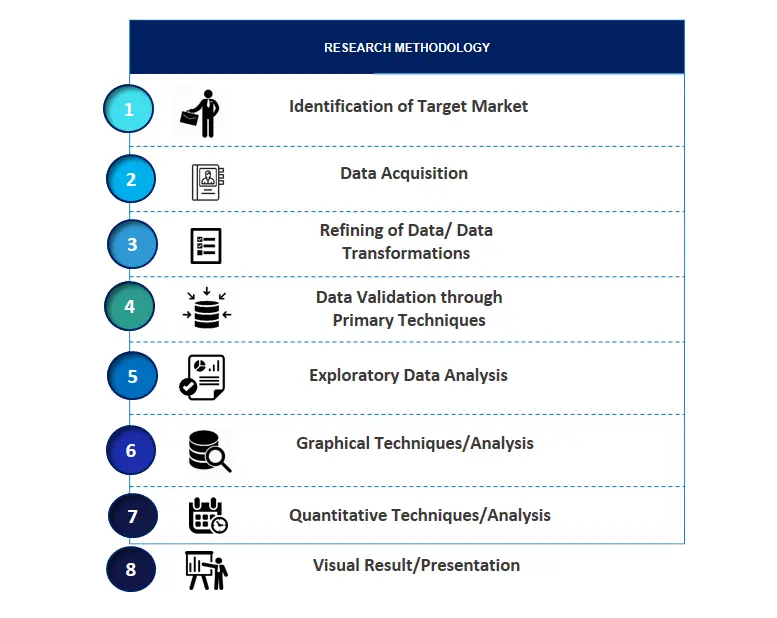
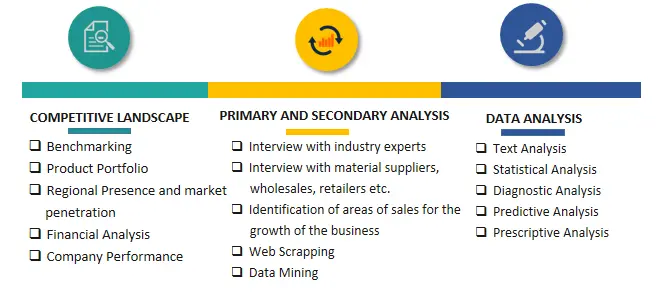
SPER Market Research’s methodology uses great emphasis on primary research to ensure that the market intelligence insights are up to date, reliable and accurate. Primary interviews are done with players involved in each phase of a supply chain to analyze the market forecasting. The secondary research method is used to help you fully understand how the future markets and the spending patterns look likes.
The report is based on in-depth qualitative and quantitative analysis of the Product Market. The quantitative analysis involves the application of various projection and sampling techniques. The qualitative analysis involves primary interviews, surveys, and vendor briefings. The data gathered as a result of these processes are validated through experts opinion. Our research methodology entails an ideal mixture of primary and secondary initiatives.
Frequently Asked Questions About This Report
PLACE AN ORDER
Year End Discount
Sample Report
Pre-Purchase Inquiry
NEED CUSTOMIZATION?
Request CustomizationCALL OR EMAIL US
100% Secure Payment