Diabetologist Perception on Recently Approved and Upcoming Diabetes Treatments (US & EU, 2026)
1. Overview
The diabetes treatment landscape is undergoing a significant transformation, driven by the rapid adoption of next-generation therapies and strong clinician confidence in innovative mechanisms.
A primary research study conducted across the US and EU with 50 diabetologists highlights near-universal awareness and high adoption of GLP-1 receptor agonists and SGLT2 inhibitors. Emerging therapies such as dual and triple agonists are generating strong clinical interest.
Clinicians increasingly prioritize outcomes beyond glycemic control, including weight loss, cardiovascular benefits, and overall metabolic improvement.
Despite strong enthusiasm, barriers such as high cost, gastrointestinal side effects, and reimbursement limitations continue to impact adoption.
2. Objectives
Primary Objective
- Assess diabetologist perception of recently approved and pipeline therapies in diabetes
Secondary Objectives
- Adoption drivers and barriers
- Preference vs traditional therapies
- Perception of efficacy, safety, and cost
- Likelihood of prescribing upcoming therapies
3. Methodology
| Parameter | Details |
|---|---|
| Study Type | Primary quantitative + qualitative |
| Geography | US (n=25), EU (n=25) |
| Respondents | Endocrinologists / diabetologists |
| Method | Online survey + telephonic interviews |
| Duration | 4 weeks |
4. Respondent Profile
| Parameter | Distribution |
|---|---|
| Experience | 5–10 yrs (30%), 10–20 yrs (45%), 20+ yrs (25%) |
| Practice Setting | Hospital (60%), Private clinic (40%) |
| Patient Volume | >100/month (70%) |
5. Question-wise Responses & Insights
Q1. Awareness of Recently Approved Therapies
Question: Which of the following therapies are you aware of?
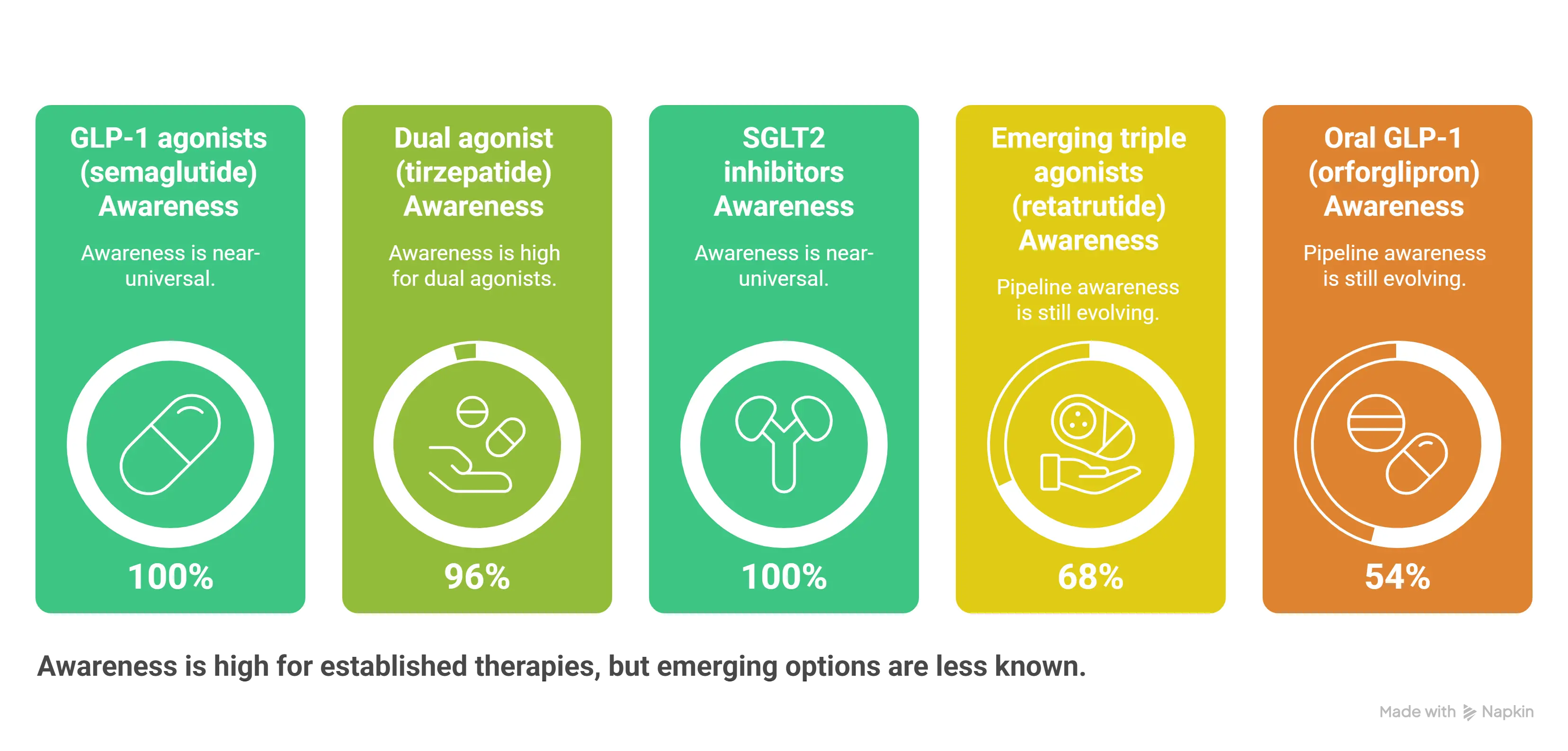
• Awareness is near-universal for GLP-1 & SGLT2
• Pipeline awareness still evolving
Q2. Current Prescribing Pattern
Question: Which therapies do you currently prescribe most?
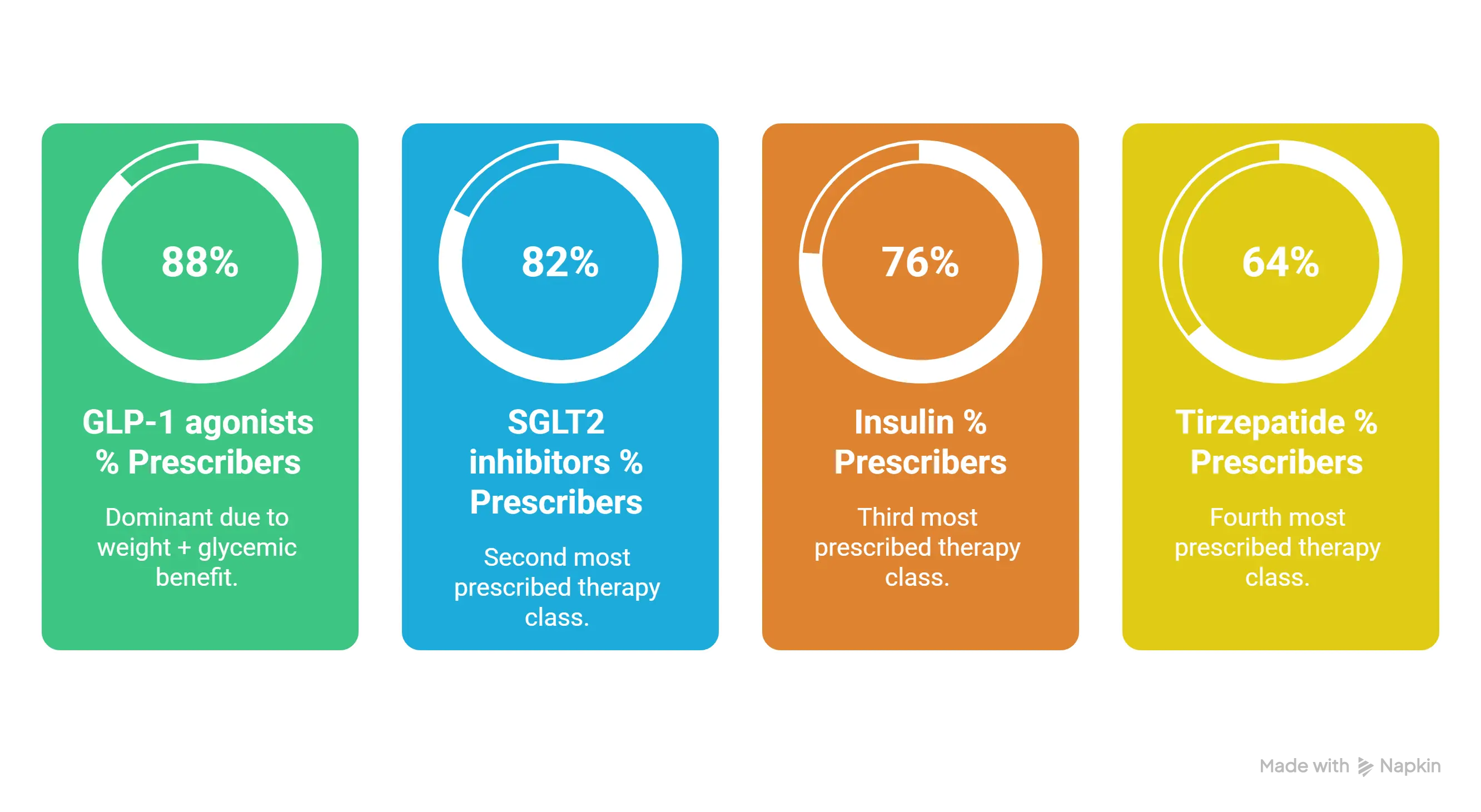
• GLP-1 adoption is dominant due to weight + glycemic benefit
Q3. Perceived Clinical Effectiveness
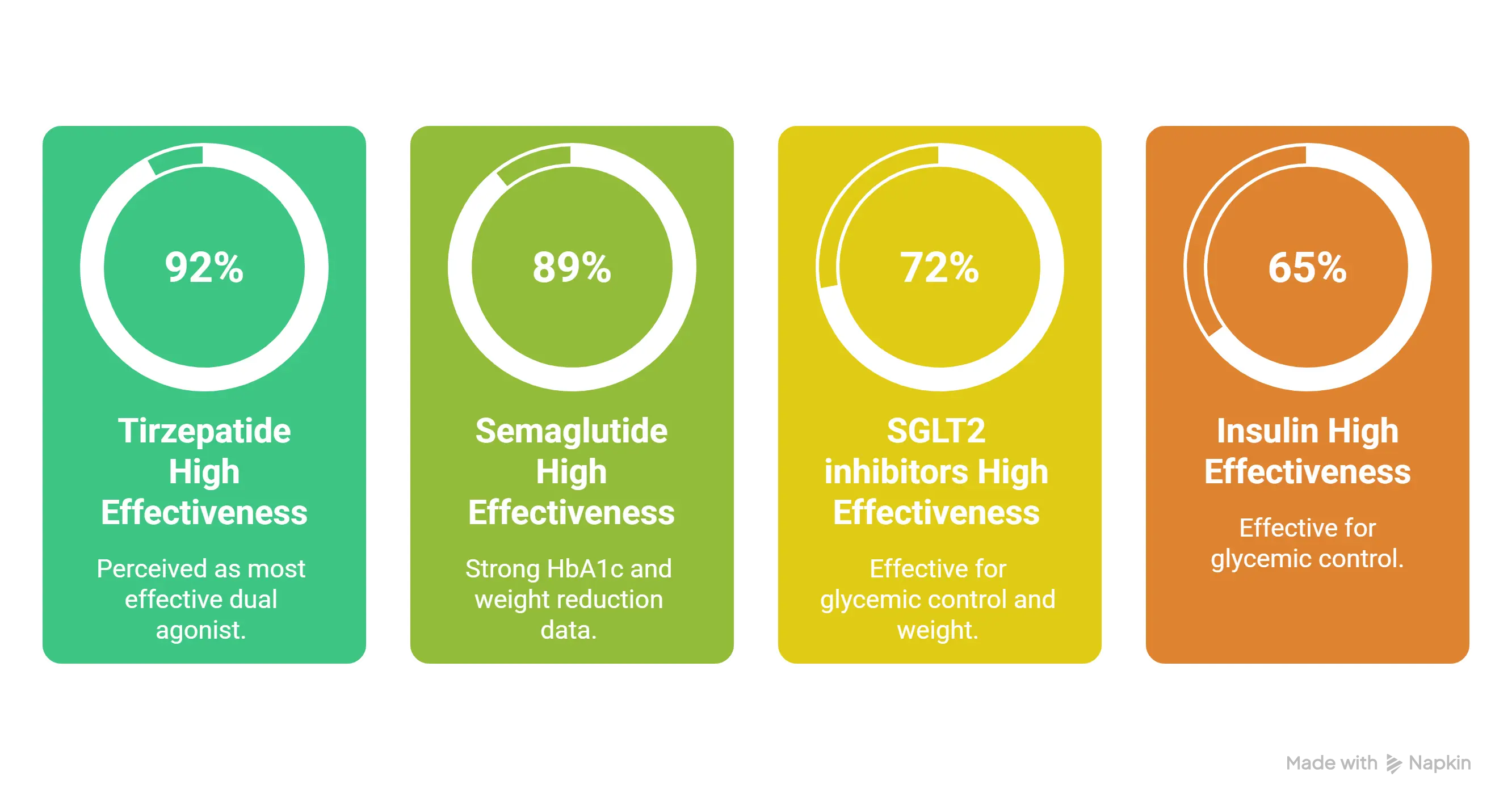
• Backed by strong HbA1c and weight reduction data
Q4. Key Drivers for Prescribing New Therapies
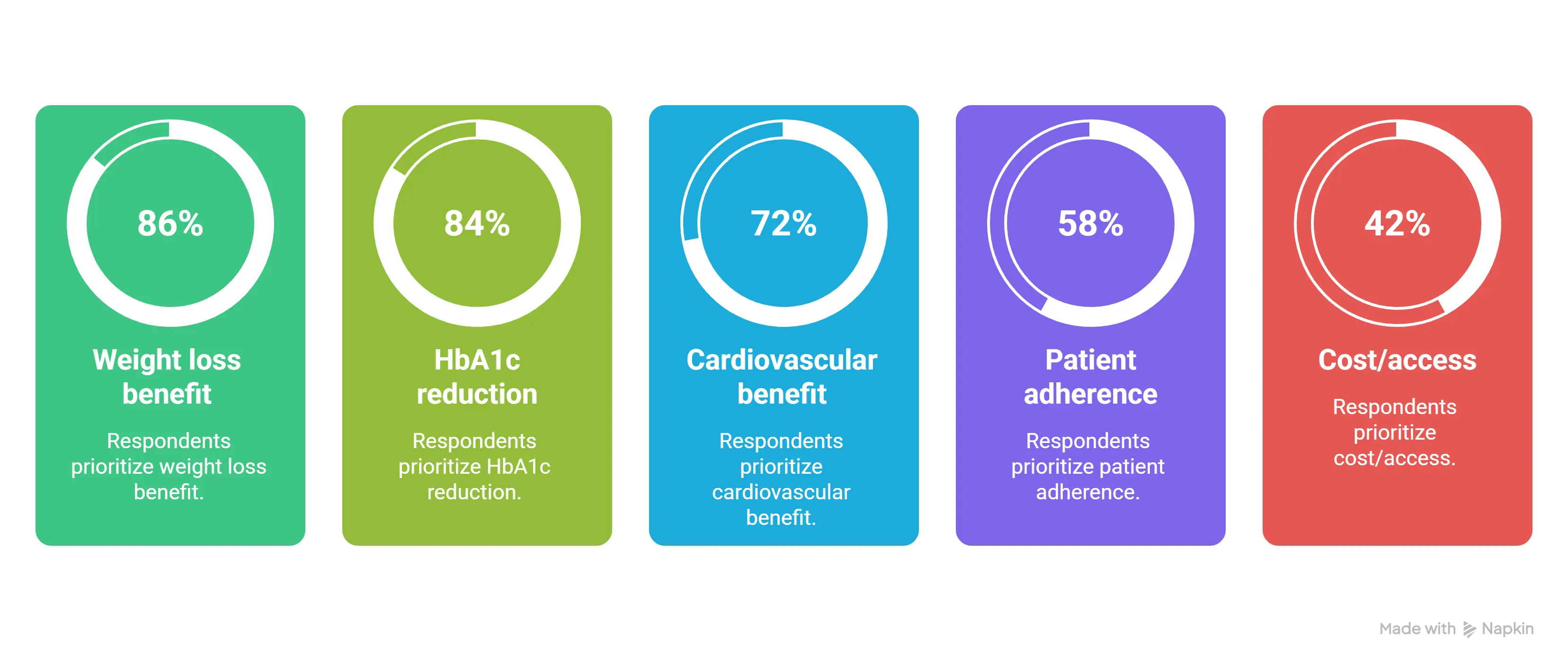
Q5. Barriers to Adoption
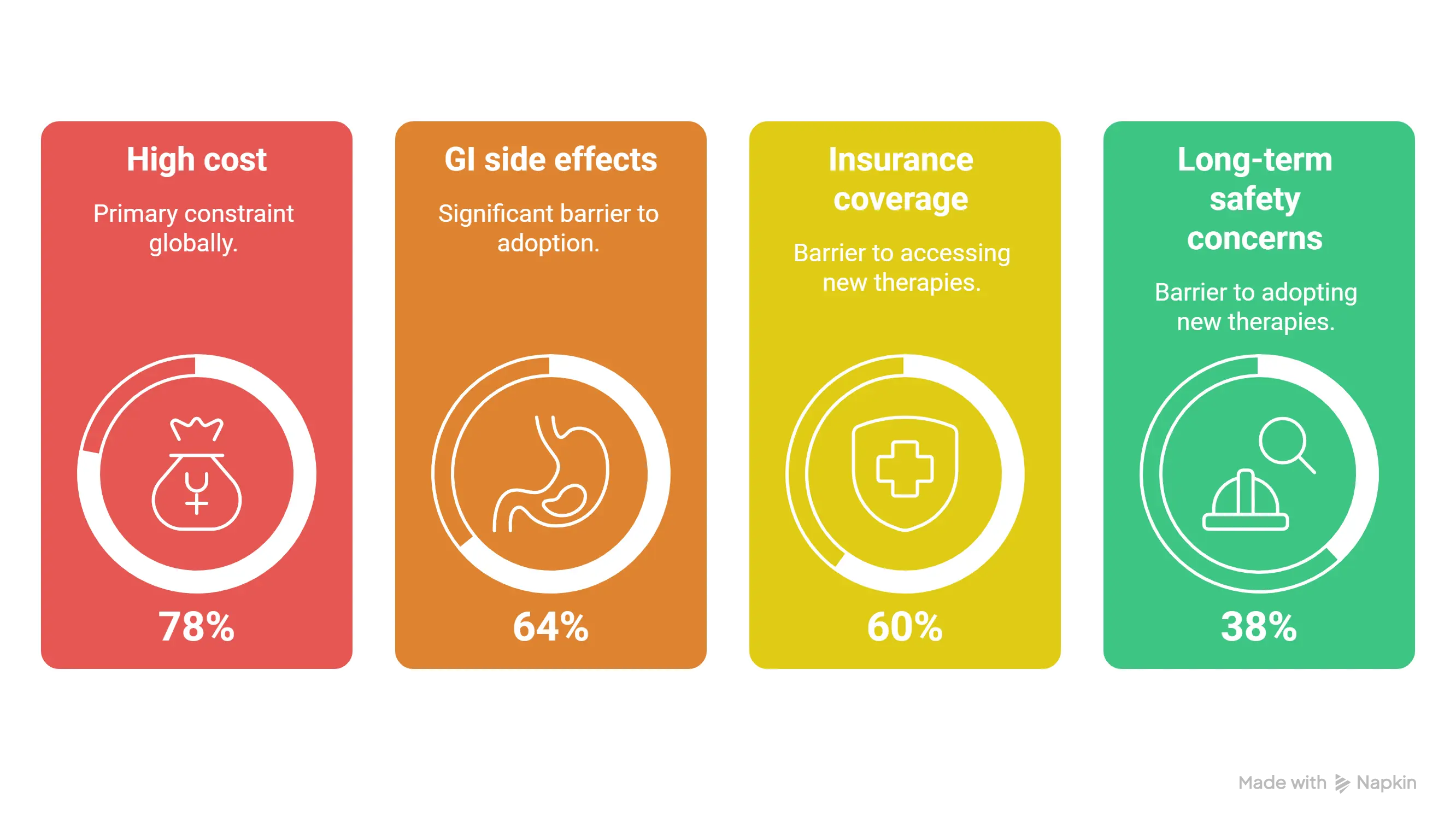
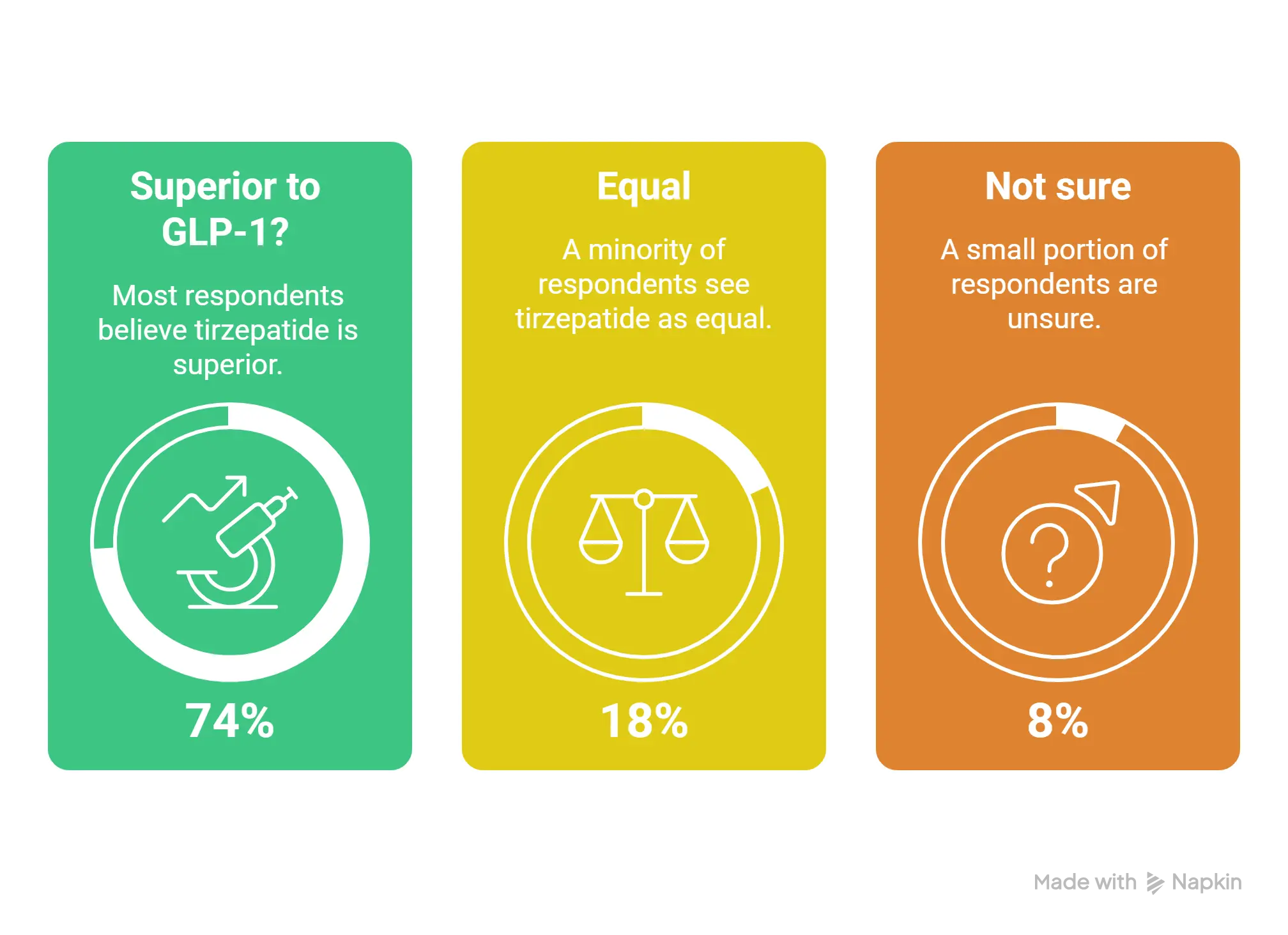
Q6. Perception of Tirzepatide
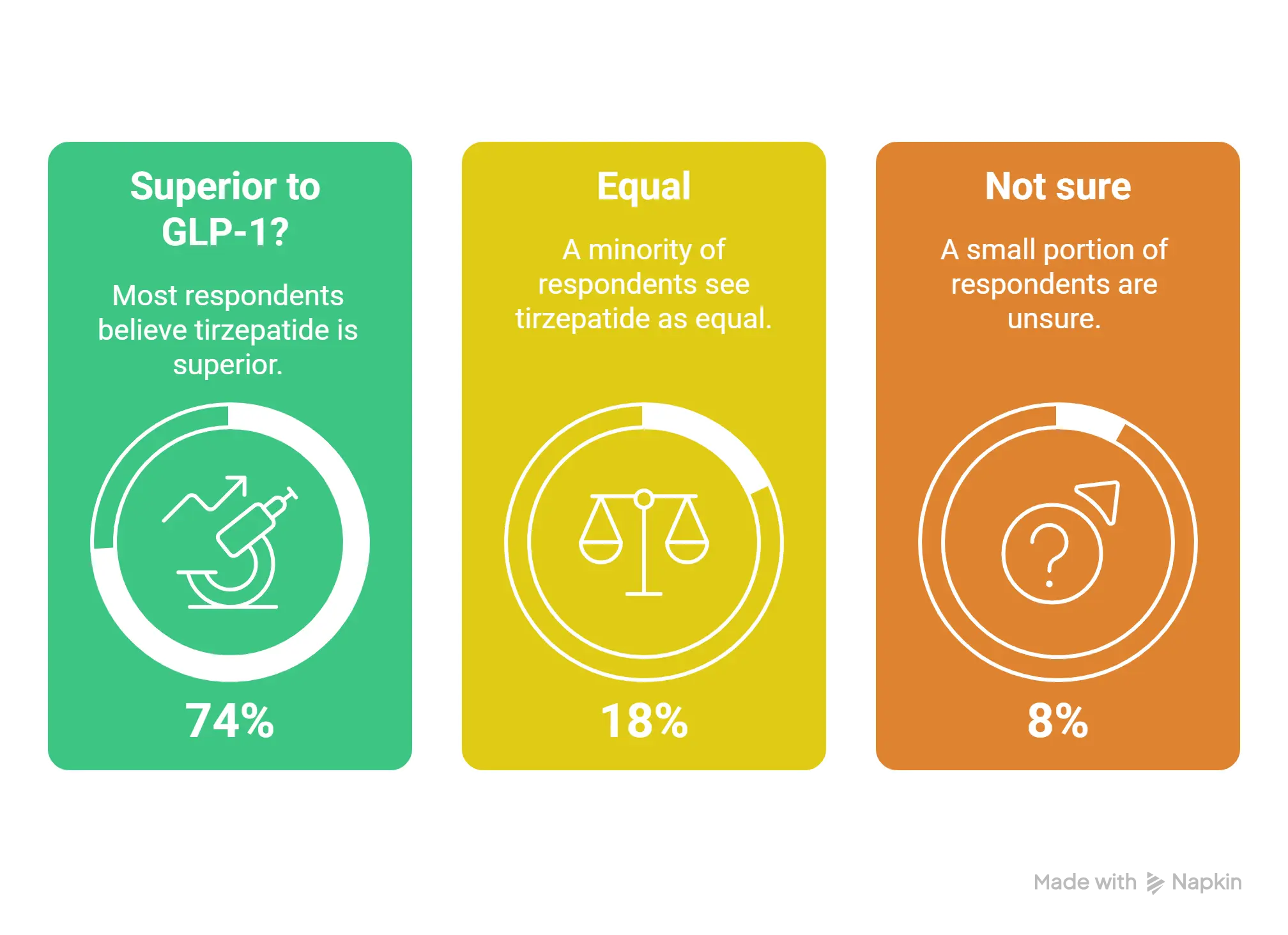
Q7. Perception of Upcoming Therapies (e.g., Retatrutide)
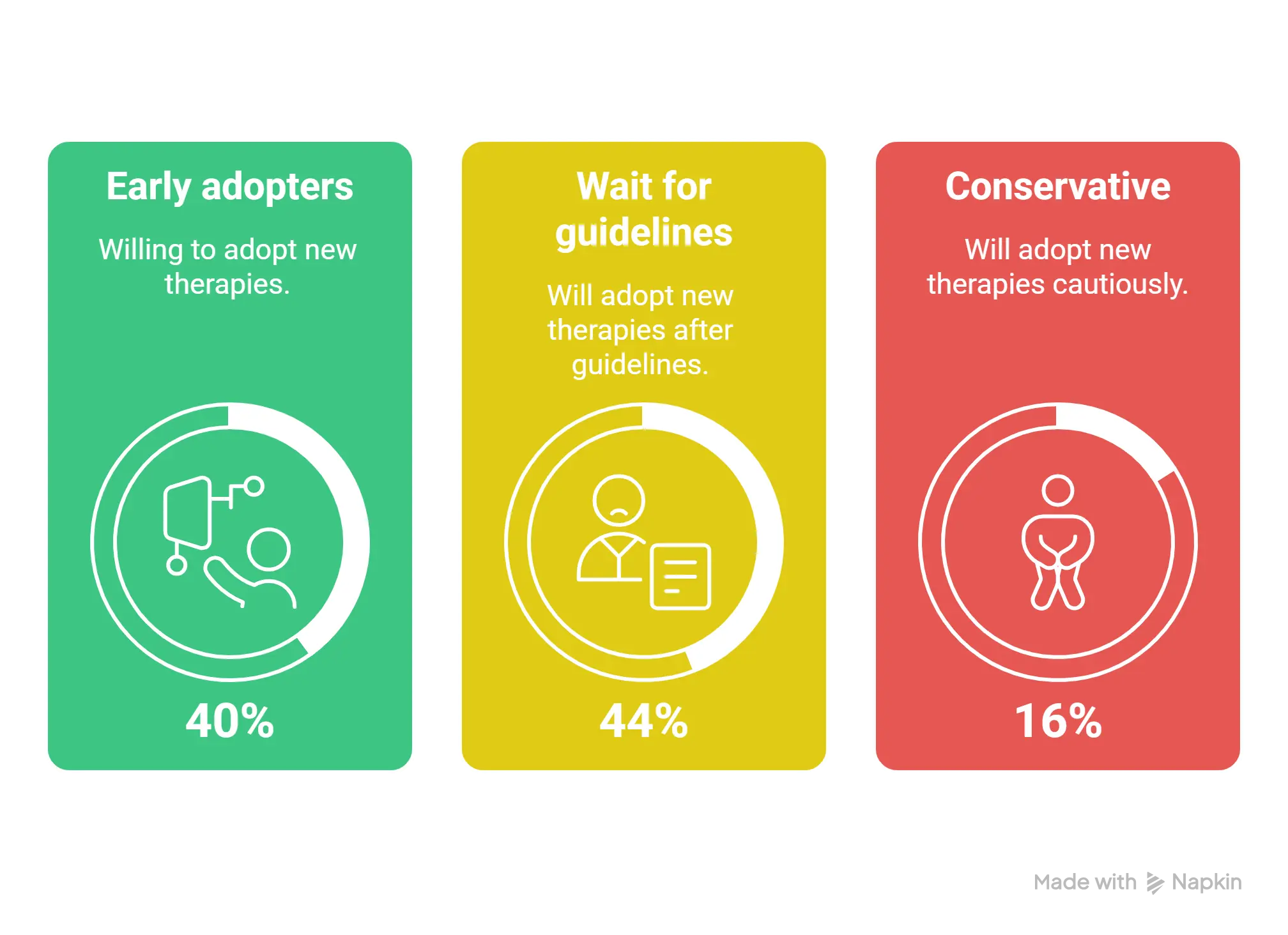
Q8. Willingness to Adopt New Therapies (Next 2 Years)
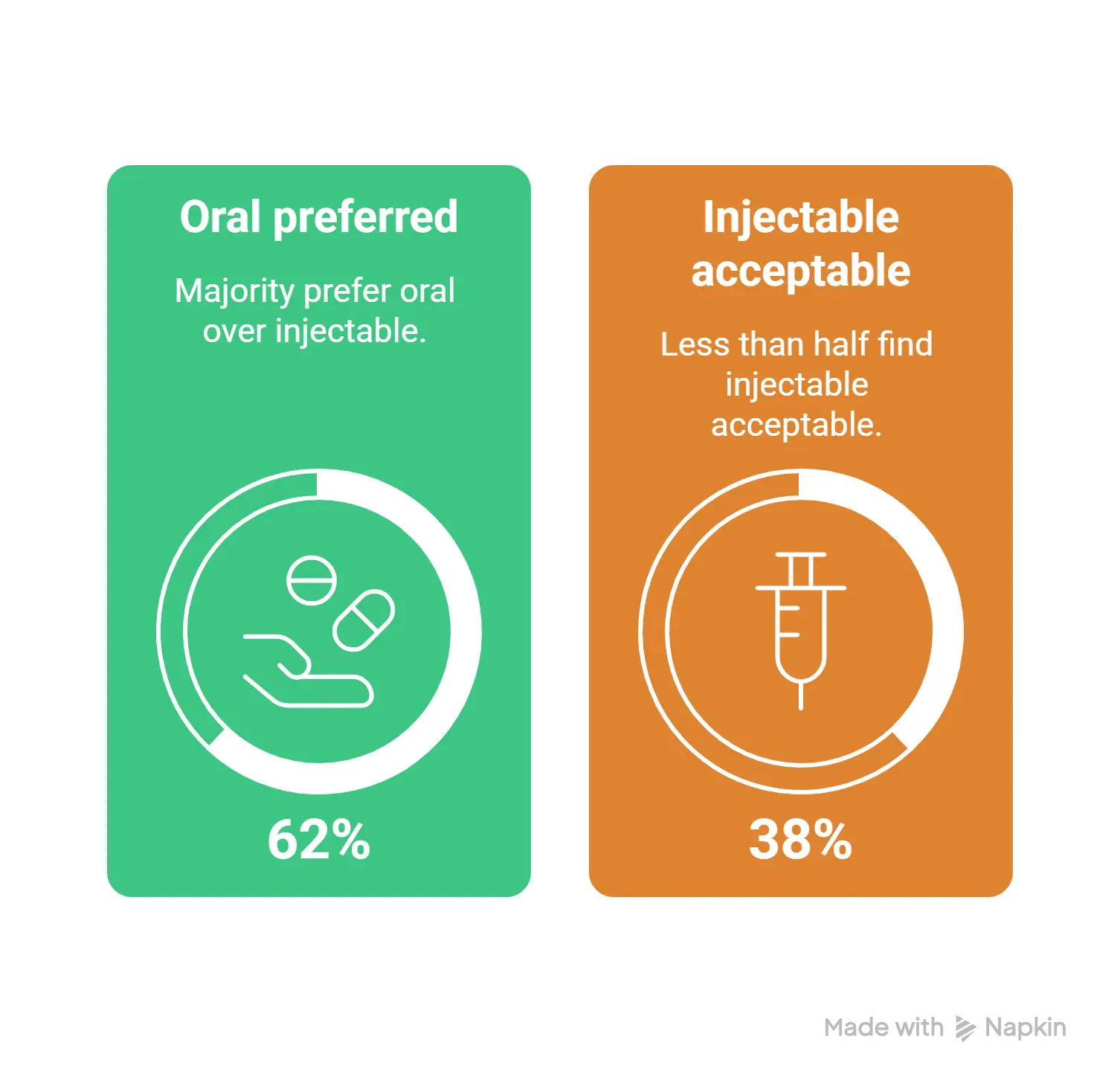
Q9. Preference: Injectable vs Oral Therapies
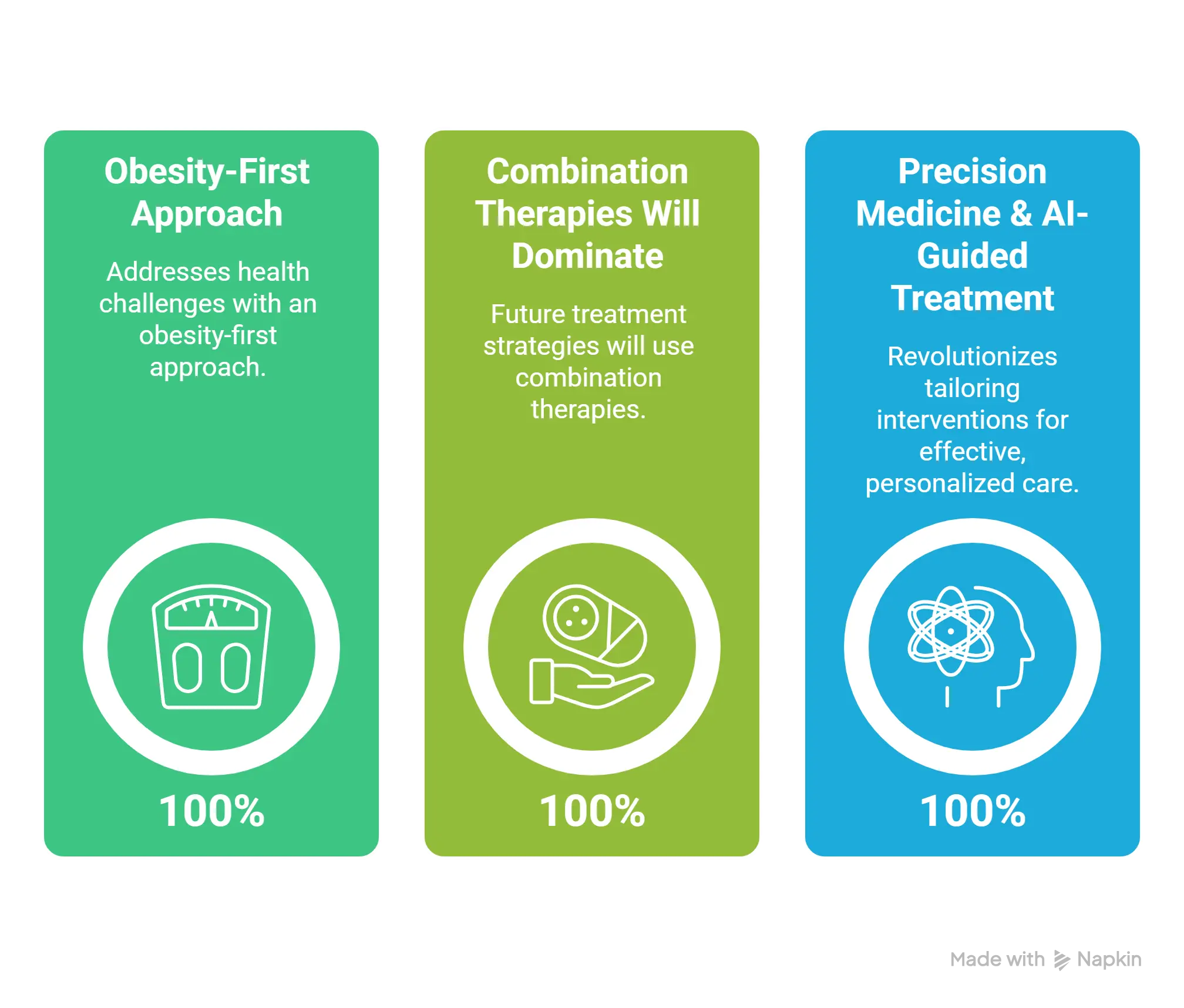
Q10. Future of Diabetes Treatment
6. Regional Comparison (US vs EU)
| Parameter | US | EU |
|---|---|---|
| Faster adoption | High | Moderate |
| Cost sensitivity | Medium | High |
| Innovation acceptance | High | Moderate |
| Guideline dependence | Moderate | High |
7. Key Insights
Paradigm Shift
Diabetes care moving toward weight-centric & cardiometabolic management
GLP-1 Dominance
Became first-line add-on therapy
Pipeline Excitement
Triple agonists expected to disrupt standard care
Access Barrier
Cost and reimbursement remain major bottlenecks
8. Outcomes
Strategic
- Identify high adoption segments (early adopters)
- Inform market access strategy
- Guide KOL engagement
Clinical
- GLP-1 / dual agonists
- Combination therapies
Conclusion
Diabetologists in the US and EU show strong confidence in next-generation therapies, especially dual and triple incretin-based drugs. However, cost, safety perception, and guideline endorsement will determine the speed of adoption.