Rubber Process Oil Outlook
Global Rubber Process Oil Market Size - By Product, End Use - Regional Outlook, Competitive Strategies and Segment Forecast to 2035
| Published: Jun-2026 | Report ID: CHEM2627 | Pages: 1 - 250 | Formats*: |
| Category : Chemical & Materials | |||
- In January 2026, Farrel Pomini, part of HF GROUP, acquired a majority stake in WF Recycle-Tech to strengthen collaboration and accelerate the commercialization of its tyre pyrolysis technology, which converts end-of-life tyres into recovered carbon black and recycled oil.
- In December 2024, HollyFrontier Specialty Products launched Circosol™ 5100T, a rubber process oil designed for advanced tyre applications, offering enhanced performance and regulatory compliance for modern rubber formulations.
| Report Metric | Details |
|---|---|
| Market size available for years | 2022-2035 |
| Base year considered | 2025 |
| Forecast period | 2026-2035 |
| Segments covered | By Product, End Use |
| Regions covered | North America, Latin America, Asia-Pacific, Europe, and Middle East & Africa |
| Companies Covered | Chevron Corporation, Exxon Mobil Corporation, H&R Group, Indian Oil Corporation Ltd., Nynas AB, ORGKHIM Biochemical Holding, PetroChina Company Limited, Repsol S.A., Shell plc, Sinopec. |
- Global Rubber Process Oil Market Size (FY’2022-FY’2035)
- Overview of Global Rubber Process Oil Market
- Segmentation of Global Rubber Process Oil Market by Product (Aromatic, Paraffinic, Naphthenic, Other Product)
- Segmentation of Global Rubber Process Oil Market by End Use (Tyre, Footwear, Wire & Cable Covering, Flooring Materials, Paints & Coatings, Adhesive & Sealants, Other End Use)
- Statistical Snap of Global Rubber Process Oil Market
- Expansion Analysis of the Global Rubber Process Oil Market
- Problems and Obstacles in the Global Rubber Process Oil Market
- Competitive Landscape in the Global Rubber Process Oil Market
- Details on Current Investment in the Global Rubber Process Oil Market
- Competitive Analysis of the Global Rubber Process Oil Market
- Prominent Players in the Global Rubber Process Oil Market
- SWOT Analysis of Global Rubber Process Oil Market
- Global Rubber Process Oil Market Future Outlook and Projections (FY’2026-FY’2035)
- Recommendations from Analyst
1.1 Scope of the report1.2 Market segment analysis
2.1 Research data source
2.1.1 Secondary Data2.1.2 Primary Data2.1.3 SPER’s internal Database2.1.4 Primary insight from KOL’s
2.2 Market size estimation
2.2.1 Top-down and Bottom-up approach
2.3 Data triangulation
4.1 Driver, Restraint, Opportunity and Challenges analysis
4.1.1 Drivers4.1.2 Restraints4.1.3 Opportunities4.1.4 Challenges
5.1 SWOT Analysis
5.1.1 Strengths5.1.2 Weaknesses5.1.3 Opportunities5.1.4 Threats
5.2 PESTEL Analysis
5.2.1 Political Landscape5.2.2 Economic Landscape5.2.3 Social Landscape5.2.4 Technological Landscape5.2.5 Environmental Landscape5.2.6 Legal Landscape
5.3 PORTER’s Five Forces5.4 Heat Map Analysis
6.1. Global Rubber Process Oil Market Manufacturing Base Distribution, Sales Area, Product Type6.2 Mergers & Acquisitions, Partnerships, Product Launch, and Collaboration in Global Rubber Process Oil Market
7.1 Aromatic7.2 Paraffinic7.3 Naphthenic7.4 Other Product
8.1 Tyre8.2 Footwear8.3 Wire & Cable Covering8.4 Flooring Materials8.5 Paints & Coatings8.6 Adhesive & Sealants8.7 Other End Use
9.1 Global Rubber Process Oil Market Size and Market Share
10.1 Asia-Pacific
10.1.1 Australia10.1.2 China10.1.3 India10.1.4 Japan10.1.5 South Korea10.1.6 Rest of Asia-Pacific
10.2 Europe
10.2.1 France10.2.2 Germany10.2.3 Italy10.2.4 Spain10.2.5 United Kingdom10.2.6 Rest of Europe
10.3 Middle East and Africa
10.3.1 Kingdom of Saudi Arabia10.3.2 United Arab Emirates10.3.3 Qatar10.3.4 South Africa10.3.5 Egypt10.3.6 Morocco10.3.7 Nigeria10.3.8 Rest of Middle-East and Africa
10.4 North America
10.4.1 Canada10.4.2 Mexico10.4.3 United States
10.5 Latin America
10.5.1 Argentina10.5.2 Brazil10.5.3 Rest of America
11.1 Chevron Corporation
11.1.1 Company details11.1.2 Financial outlook11.1.3 Product summary11.1.4 Recent developments
11.2 Exxon Mobil Corporation
11.2.1 Company details11.2.2 Financial outlook11.2.3 Product summary11.2.4 Recent developments
11.3 H&R Group
11.3.1 Company details11.3.2 Financial outlook11.3.3 Product summary11.3.4 Recent developments
11.4 Indian Oil Corporation Ltd.
11.4.1 Company details11.4.2 Financial outlook11.4.3 Product summary11.4.4 Recent developments
11.5 Nynas AB
11.5.1 Company details11.5.2 Financial outlook11.5.3 Product summary11.5.4 Recent developments
11.6 ORGKHIM Biochemical Holding
11.6.1 Company details11.6.2 Financial outlook11.6.3 Product summary11.6.4 Recent developments
11.7 PetroChina Company Limited
11.7.1 Company details11.7.2 Financial outlook11.7.3 Product summary11.7.4 Recent developments
11.8 Repsol S.A.
11.8.1 Company details11.8.2 Financial outlook11.8.3 Product summary11.8.4 Recent developments
11.9 Shell plc
11.9.1 Company details11.9.2 Financial outlook11.9.3 Product summary11.9.4 Recent developments
11.10 Sinopec
11.10.1 Company details11.10.2 Financial outlook11.10.3 Product summary11.10.4 Recent developments
11.11 Others
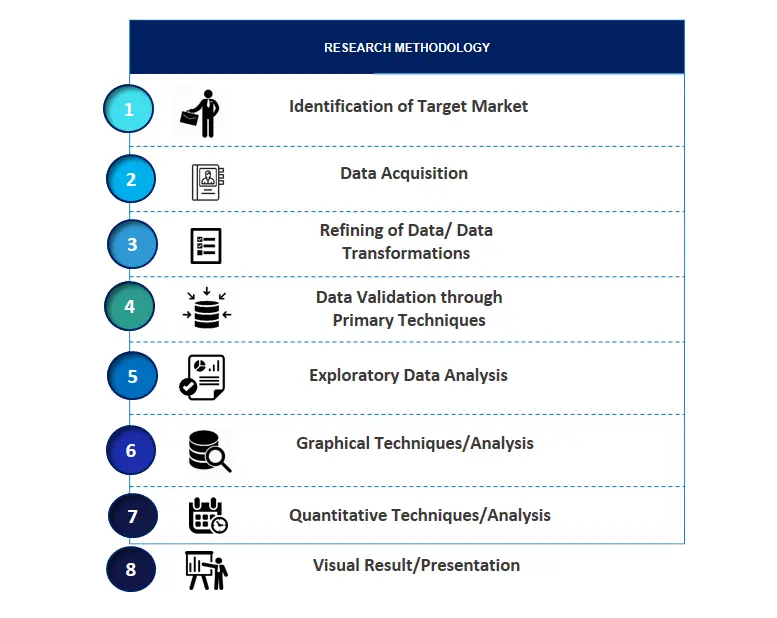
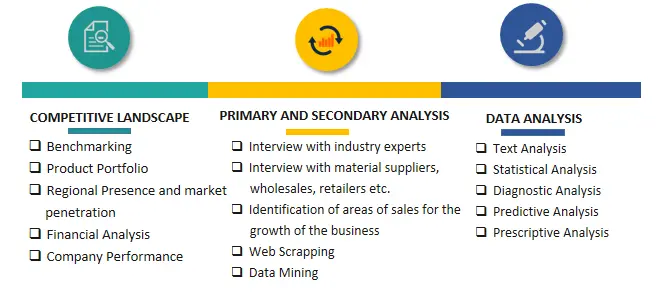
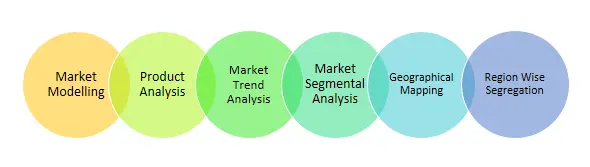
SPER Market Research’s methodology uses great emphasis on primary research to ensure that the market intelligence insights are up to date, reliable and accurate. Primary interviews are done with players involved in each phase of a supply chain to analyze the market forecasting. The secondary research method is used to help you fully understand how the future markets and the spending patterns look likes.
The report is based on in-depth qualitative and quantitative analysis of the Product Market. The quantitative analysis involves the application of various projection and sampling techniques. The qualitative analysis involves primary interviews, surveys, and vendor briefings. The data gathered as a result of these processes are validated through experts opinion. Our research methodology entails an ideal mixture of primary and secondary initiatives.
Frequently Asked Questions About This Report
PLACE AN ORDER
Year End Discount
Sample Report
Pre-Purchase Inquiry
NEED CUSTOMIZATION?
Request CustomizationCALL OR EMAIL US
100% Secure Payment